














Sales and Site Survey - [email protected]


Description
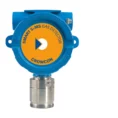
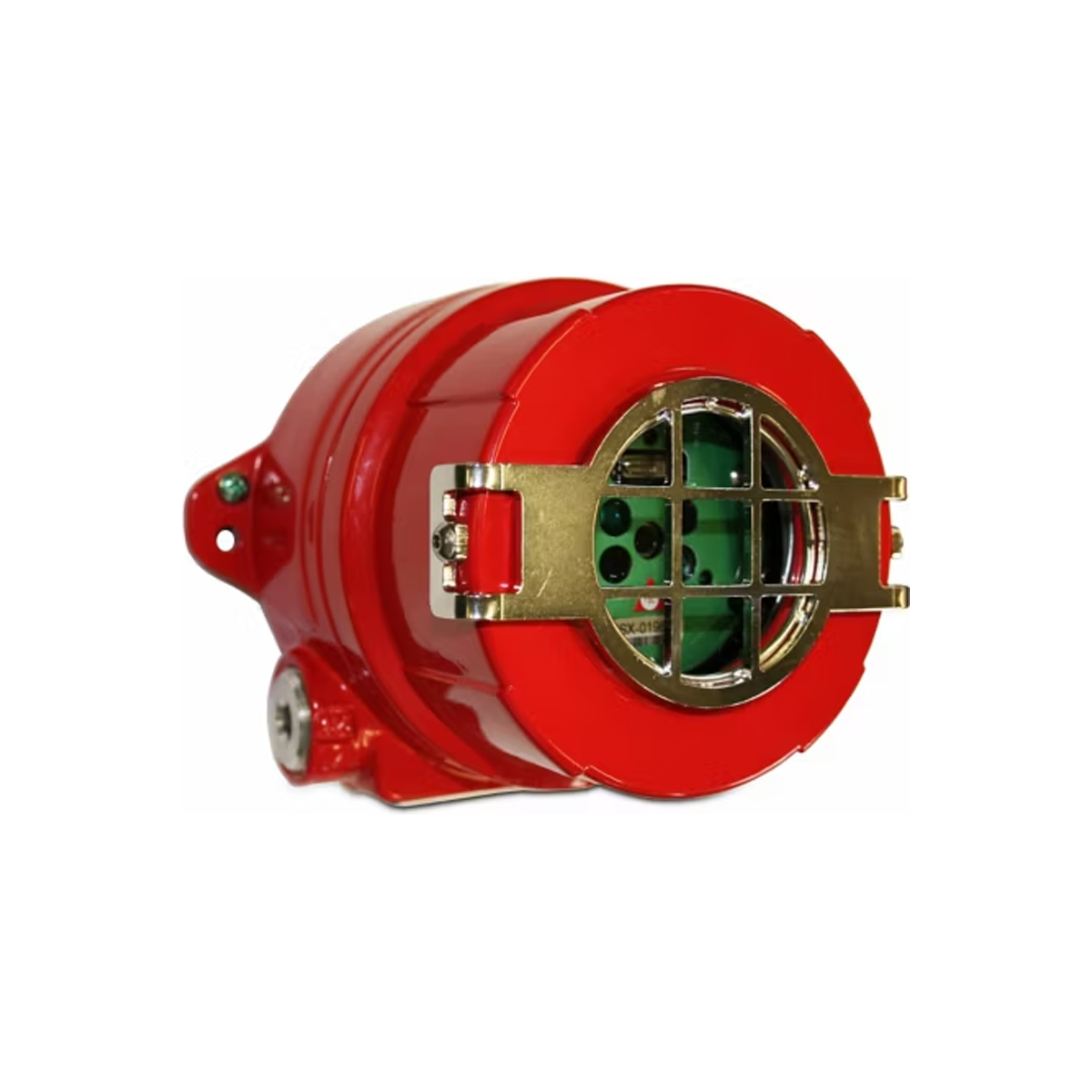
Honeywell FS20X is a multi-spectrum UV/IR/VIS flame detector for hydrocarbon and non-hydrocarbon fires in hazardous industrial areas, delivering fast, long-range, false-alarm-resistant detection.
Honeywell FS20X combines proven UV solar-blind sensing with dual infrared and visible channels to detect a wide range of fuel fires rapidly and reliably, even at long distances and through smoke. Built on the Honeywell/Fire Sentry SS4 platform, it adds patented signal processing, wide-area coverage and strong immunity to arc welding, RF and EMI. With hazardous-area certification, SIL2 capability, robust housing options and powerful communication, diagnostics and logging features, FS20X helps protect critical assets while supporting uptime and efficient maintenance.
AT A GLANCE
- Fast, multi-spectrum flame detection: UV, dual IR and visible sensing with advanced algorithms for rapid, accurate response to hydrocarbon and non-hydrocarbon fuel fires.
- Wide coverage with long detection range: Broad cone of vision and high sensitivity support large-area protection with fewer detectors and consistent performance in smoke.
- High-integrity safety platform: Hazardous-area certified, SIL2-capable design with continuous self-diagnostics and fail-safe architecture for safety-instrumented functions.
- Integration-ready and easy to manage: 0/4–20 mA, RS-485 and relay outputs plus FirePic™, event logging and PC tools for configuration, analysis and system connectivity.
For detailed technical data, consult the Specifications tab.
Overview of Honeywell FS20X
Multi-Spectrum Flame Detection for Demanding Hazards
Honeywell FS20X is a quantum-leap evolution of the Honeywell/Fire Sentry SS4 platform, combining UV, dual infrared and visible sensors in a single multi-spectrum flame detector. Its UV solar-blind sensor is immune to sunlight, improving reliability in outdoor and high-ambient-light installations.
Patented WideBand IR™, Near Band IR and visible channels sustain detection capability even when the UV path is attenuated by smoke or lens contamination. This architecture enables consistent response to both hydrocarbon and non-hydrocarbon fuel fires across a wide range of industrial and environmental conditions, including applications where older narrow-band UV/IR detectors can struggle.
Performance, Speed and False-Alarm Immunity
FS20X is designed to provide fast, accurate flame recognition without the nuisance alarms associated with conventional UV/IR detectors. Very long detection distances to small reference fires support coverage of large open areas, while advanced patented signal processing and electronic frequency analysis separate genuine flame signatures from background noise.
The detector is immune to common industrial false alarm sources, including arc welding, and delivers high immunity to RF and EMI. This combination helps operators maintain production, avoid unnecessary shutdowns and trust that an alarm represents a real event.
Wide Coverage and Configurable Sensitivity
A wide 90° cone of vision (±45° from on-axis) allows each detector to monitor a large volume, often reducing the number of units required per zone. Selectable sensitivity levels from very high through to low mean that performance can be matched to the specific hazard, target distance and local nuisance-alarm conditions.
This flexibility is valuable on complex sites such as refineries, petrochemical plants, pipelines, tank farms and LNG/LPG or gas processing plants, where risk profiles, layouts and background radiation differ from area to area.
Engineered for Harsh Industrial Environments
FS20X is designed for reliable operation in harsh outdoor and indoor locations, with a wide operating temperature capability and broad humidity tolerance for diverse climates. The enclosure provides weatherproof, dust-tight protection and is available in copper-free powder-coated aluminium or 316 stainless steel to support corrosive, marine and offshore environments.
High vibration resistance, meeting demanding industrial criteria, makes the detector suitable for turbine and compressor enclosures, rotating equipment skids, fabrication shops and other vibration-prone areas.
Safety, Approvals and Functional Integrity
The detector is certified for use in hazardous areas under major global approval schemes and meets SIL2 functional safety requirements, enabling use in safety-instrumented functions where demonstrable reliability is required. Compliance with recognised flame detector performance standards and dedicated fire detection standards provides documented assurance for designers and operators.
This makes FS20X suitable for high-consequence applications such as oil and gas production, power generation, chemical processing, paint and solvent storage, aircraft hangars and other high-risk industrial processes.
Fail-Safe Design with Continuous Self-Diagnostics
Dual microprocessors provide the basis for a high-integrity, fail-safe architecture. Fast digital sampling and continuous self-diagnostics monitor both the optical and electronic subsystems.
Automatic optical path and electronic self-tests verify detector health without manual intervention, supporting proof-testing regimes and reducing inspection effort. The design aims to ensure that faults are identified quickly, helping maintain safety availability. A three-year warranty from date of shipment underlines the focus on long-term reliability.
Integrated Communications and System Connectivity
FS20X offers multiple output options for straightforward integration into modern fire and gas detection systems and control networks. A built-in non-isolated 0/4–20 mA output with stepped status indications enables simple interfacing with control panels and PLCs.
RS-485 Modbus communication supports digital integration, while additional RS-485 protocol options and an optional HART interface (model dependent) provide further flexibility for different architectures and asset management strategies. Three programmable relays (Fire Alarm, Fault and Auxiliary) with configurable energised/de-energised and latching/non-latching modes support both local signalling and interlocks.
Diagnostics, Logging and Incident Analysis
Beyond real-time alarm signalling, FS20X incorporates tools for investigation and maintenance planning. The FirePic™ function stores multiple pre-fire “snapshots” of sensor data, giving engineers detailed information on flame development prior to an alarm.
An internal event log records alarms, faults and status changes with time and date stamps using an integrated real-time clock. Using PC software and the FSIM interface module, users can configure the detector, run diagnostics, view real-time graphs and download FirePic images and event logs for analysis and documentation.
Installation Flexibility and Platform Standardisation
Standard dual conduit entries, available with different thread options depending on the model, simplify wiring and support integration into existing plant standards. Compatibility with shielded cables across a range of conductor sizes further aids retrofit and greenfield projects.
An optional swivel mounting bracket enables precise alignment to the hazard area, particularly important for turbine enclosures, compressor modules and storage tanks. Low power consumption makes FS20X suitable for wide-area and remote installations, while an optional heater activates in low temperatures to help prevent icing or condensation on the optics.
The detector is part of the Honeywell FSX family, supporting platform commonality, consistent maintenance practices and reduced spares inventory across multi-site operations.
Proven Across High-Risk Applications
Honeywell FS20X is deployed across refineries, petrochemical complexes, oil and gas production facilities, pipelines, tank farms, LNG, LPG and CNG terminals, as well as hydrogen and silane storage areas. It is also used in power generation, turbine and compressor enclosures, aircraft hangars, chemical plants, paint and solvent stores and fabrication shops where arc welding is routine.
Across these varied environments, FS20X provides rapid, robust flame detection with the integration, diagnostics and environmental resilience required for modern industrial safety systems.
Specifications
| Field of View | 90° Horizontal Cone of vision, ± 45° from on axis |
| Sensitivity | Very high (60m), high (45m), medium (30m) and low (15m) - switch selectable |
| Response Time | 3-5 Seconds to 0.1 m² (1 sq. ft.) n-Heptane fire at 30 m (100 ft.) 3-10 Seconds to 0.1 m² (1 sq. ft.) n-Heptane fire at 60 m (200 ft.) |
| Spectral Sensitivity | Ultraviolet: 185 - 260 nanometres Visible: 400 – 700 nanometres Near Band IR: 0.7 – 1.1 microns Wide Band IR: 1.1 – 3.5 microns |
| Operating Voltage | 24 Vdc nominal (18-32 Vdc) - regulated |
| Power Consumption | Operating: 85 mA @ 24 Vdc nominal |
| Alarm | 135 mA @ 24 Vdc nominal |
| Heater | 155 mA – additional Note: Heater will turn on at -17°C (0°F) |
| Output Relays | Fire Alarm: SPDT (NO / NC) – De-energised/energised, latching/non-latching Fault: SPST (NO) – De-energised/energised, latching/non-latching Auxiliary: SPDT (NO / NC) – De-energised/energised, latching/non-latching Contacts rating: 1 amp @ 24 Vdc |
| Analog Output | 0 - 20 mA stepped - source or sink user selectable |
| Loop Resistance | 50 - 400 Ohms |
| Communication | One of the following – user selectable: RS-485, ModBus Protocol RS-485, FireBus II RS-485 Special (optional) HART, Optional plug-in module (not available on EN54-10 units) |
| Visual Indicators | Green LED: Power Red LED: Alarm Yellow LED: Fault |
| Temperature Range | Operating: -40 to +85°C (-40 to +185°F) Storage: -55 to +110°C (-67 to +230°F) |
| Humidity Range | 5 to 98% relative humidity, non-condensing |
| Vibration | Meets or exceeds MilSpec 810C Method 514.2, Curve AW12 |
| Wiring | 2.5 mm² (14 AWG) to 0.326 mm² (22 AWG); shielded cable recommended |
| Conduit Entries | Standard: Two M25 or two ¾" NPT |
| Enclosure Materials | Copper-free powder coated aluminium or 316 stainless steel |
| Enclosure Type | 4X, IP66 and NEMA 4 |
| Certifications and Approvals | FM: Class I, Div. 1 & 2, Groups B, C, & D; Class II, Div. 1 & 2, Groups E, F, & G; Class III |
| ATEX/IECEx: II 2 G Ex db IIC T4 (Ta: -40 to +110°C), T5 (Ta: -40 to +75°C), T6 (Ta: -60 to +60°C), II 2 D Ex tb IIIC T135°C / II 2 G Ex db IIC T4 (Ta: -60 to +110°C), T5 (Ta: -60 to +75°C), T6 (Ta: -60 to +60°C), II 2 D Ex tb IIIC T135°C | |
| CE: Complies with EN6100-6-4 & EN50130-4 | |
| INMETRO | |
| CU-TR | |
| China-EX | |
| SIL Rating: FMEDA available on request | |
| EN54-10: LPCB FS20X certified 1175a/01 (LPCB); CPR 0832-CPR-F0515 | |
| Shipping Weight | Aluminium: 1.6 kg (3.6 lbs) Stainless Steel: 3.2 kg (7 lbs) |
| Mounting | Swivel bracket assembly - optional |
| Warranty | Three years from date of shipping |
Gases
| Flame |
Documents