









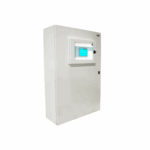
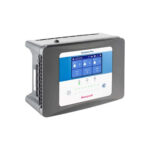

Honeywell Touchpoint Plus Wireless Controller
Price on application
Request a quote
Typically quoted within 2 hours
Need help choosing? Sales and Site Survey: liz@ribblegd.co.uk
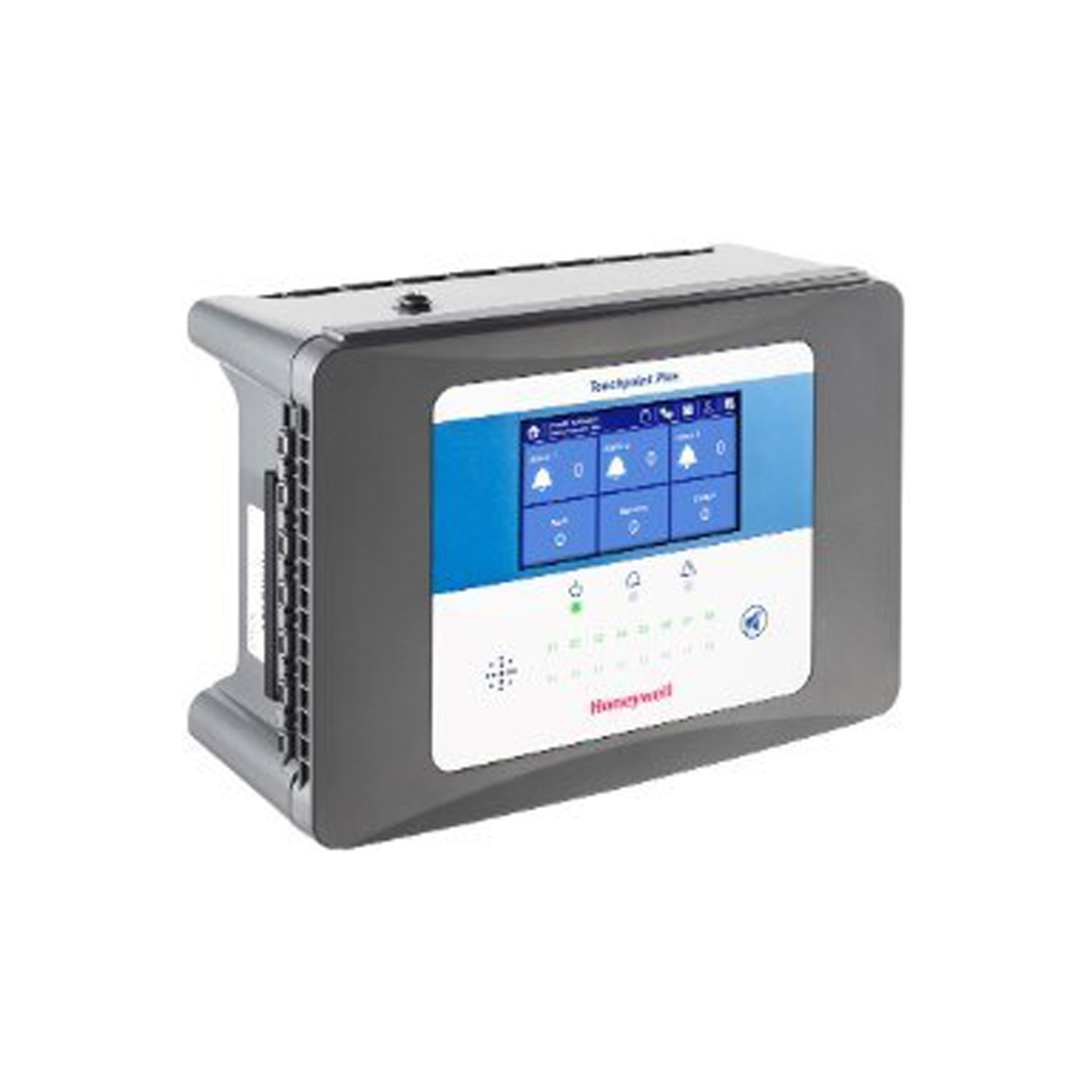
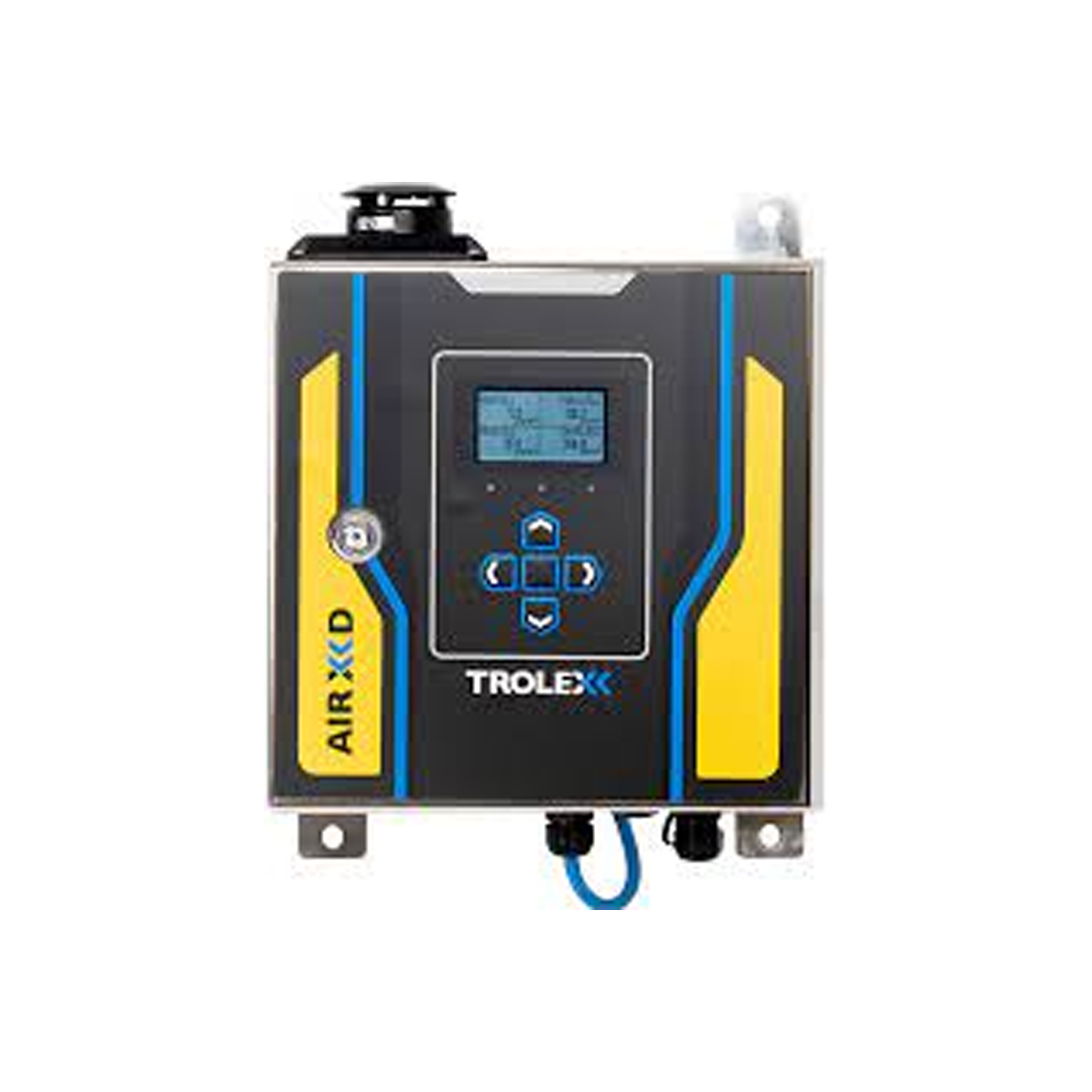
Honeywell Touchpoint Plus Wireless is a hybrid gas and flame detection controller for continuous monitoring of toxic, flammable and oxygen hazards in industrial and classified areas, combining wired and wireless devices in one scalable hub.
Honeywell Touchpoint Plus Wireless acts as the central command-and-control unit for MeshGuard wireless networks and conventional 4–20 mA gas and flame detectors. It collects real-time readings and alarms from mixed detector types, enabling wide-area coverage without extensive cabling or multiple panels. A large colour touchscreen, built-in data logging and intuitive status indication support confident operation, while rugged construction, backup power and open communications interfaces help maintain gas safety visibility during changing conditions, outages and throughout the system lifecycle.
For detailed technical data, consult the Specifications tab.
Honeywell Touchpoint Plus Wireless serves as the central hub for plant-wide gas and flame detection, combining MeshGuard wireless monitors with traditional 4–20 mA field detectors in one controller. It manages a large number of wireless channels alongside multiple analogue inputs, so fixed and temporary devices can be monitored together without separate panels or complex engineering workarounds. This hybrid approach supports flexible detector placement around changing risks, from permanent production units to temporary skids and wellheads.
The integrated wireless modem automatically links to Mesh and MeshGuard devices, enabling rapid deployment or expansion of coverage without pulling new cable. This is particularly advantageous on sites where layouts change frequently, access to cable routes is limited, or rapid mobilisation is critical, such as drilling campaigns, shutdowns and turnarounds.
Touchpoint Plus Wireless captures real-time data from toxic, flammable, oxygen and flame detection devices and is designed to deliver a rapid response from gas event to alarm activation. Multiple common alarm outputs, an internal audible alarm and powered audio/visual outputs provide clear notification in the field. Programmable SPDT relays allow alarms and faults to interface with shutdown systems, ventilation, process controls or remote annunciation according to site needs.
Relay behaviour can be configured for normally open or normally closed operation, energised or de-energised states, latching or non-latching response and time delays. This enables alignment of the controller’s behaviour with local safety philosophy and existing cause-and-effect matrices. Three prominent master LEDs for normal, fault/inhibit and alarm states, supplemented by individual channel indicators, give operators instant visual insight into system status and help speed up fault finding.
The 7″ colour LCD touchscreen with graphical interface simplifies configuration, daily use and event review. Graphic-capable layouts enable clear visualisation of monitored areas, so operators can see exactly which channels or locations are in alarm or fault. This supports quicker decision-making during abnormal situations and makes it easier to verify that coverage remains aligned with current operations.
Touchscreen controls work in conjunction with audible and visual indicators to streamline alarm acknowledgement, mute and reset actions, aiding consistent responses under pressure. Comprehensive documentation, including installation, setup and Modbus guides, assists with structured commissioning, handover and training of operating personnel.
Touchpoint Plus Wireless uses a polycarbonate ABS housing with NEMA 4X and IP65 ingress protection to resist dust and water in demanding locations. It is suitable for many hazardous gas atmospheres under Class I, Division 2 classifications and operates across typical industrial temperature and humidity ranges, supporting both indoor control rooms and exposed outdoor installations.
The compact, wall-mounted enclosure is well suited to control rooms, shelters or skid packages, allowing the controller to be positioned close to the process or in a centralised safe area. Support for shielded cabling practices and operation in high electrical noise environments contributes to reliable communications and stable long-term performance in refineries, petrochemical plants, steel mills, shipyards and other heavy industrial sites.
The platform is designed to grow with the facility. The controller supports a substantial base capacity of wireless channels and analogue 4–20 mA inputs, with model variants providing options for additional inputs and expanded relay output counts. This scalability allows projects to start with a modest configuration and add channels or functions as site requirements evolve, without replacing the core hardware.
Integration with wider automation and safety infrastructure is enabled through RS-485 and Ethernet interfaces supporting Modbus TCP, Modbus RTU and web monitoring. Remote reset and inhibit inputs allow tight linkage with emergency systems and maintenance workflows, so isolation, testing and restoration can follow established site procedures. Web-based access to live status and basic supervision gives engineers and managers convenient visibility of gas detection performance without being at the panel.
The mesh radio system operates in established industrial frequency bands with robust direct-sequence spread spectrum modulation and multiple RF channels, supporting reliable communication over typical line-of-sight distances suitable for wide-area coverage. High receiver sensitivity and transmit power help maintain stable wireless connections in metal-rich, obstructed environments frequently found on offshore platforms, tank farms, shipyards and steel production sites.
Built-in wireless security measures help protect network integrity and reduce the risk of unauthorised interference with gas safety data. Support for meteorological sensors, such as wind and other met data, allows integration of environmental information that can assist in plume modelling, emergency planning and incident analysis where required.
A lithium-ion backup battery supports continued monitoring and alarm capability for extended periods during mains power loss, helping to maintain protection until supply is restored or the plant is shut down in a controlled manner.
Models with AC or DC power input and a wide DC operating range make the controller suitable for diverse applications, from fixed plant installations to mobile and temporary skids.
Honeywell Touchpoint Plus Wireless is suited to oil and gas exploration, drilling rigs, fracking sites, temporary wellhead monitoring, petrochemical complexes, refineries and tank farms, as well as steel mills, shipyards, maritime facilities and general industrial plants. Its quick-deploy wireless design and hybrid architecture make it particularly valuable for plant turnarounds, shutdowns and other short-term or evolving projects where layouts change and conventional cabling is impractical.
When combined with MeshGuard wireless gas detectors, wireless alarm bars and associated accessories, Touchpoint Plus Wireless acts as the core of a complete wireless safety ecosystem, supporting flexible, scalable and dependable gas and flame detection control over the full lifecycle of industrial operations.
No account yet?
Create an Account