

GMI PS500

From £999.00 (inc. VAT £1,198.80)

Make Enquiry

ShipServ

Approved Supplier

12-Month

Certified Calibration

Fast Shipping

To Ports Worldwide

Contact Us

For Custom Orders

Description

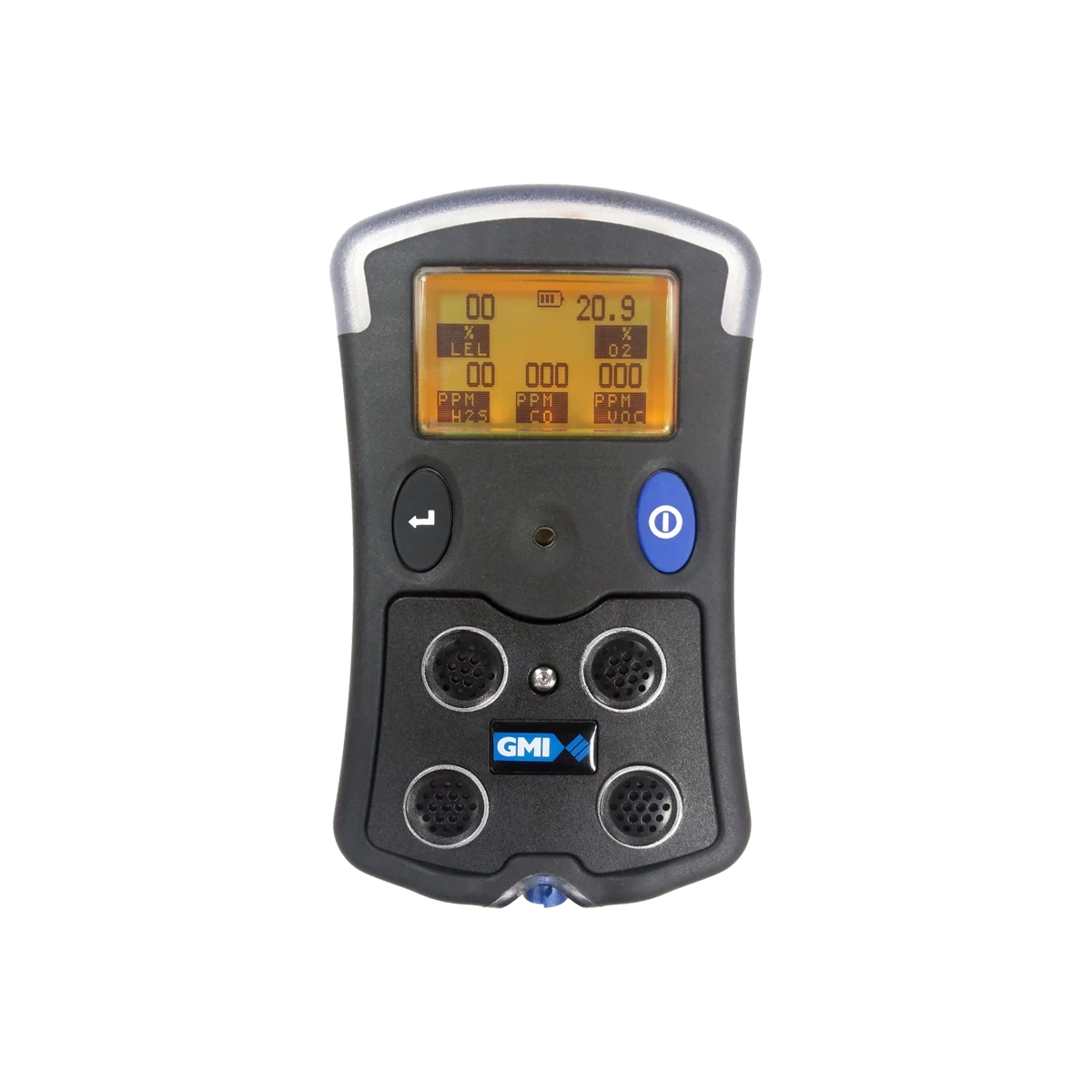
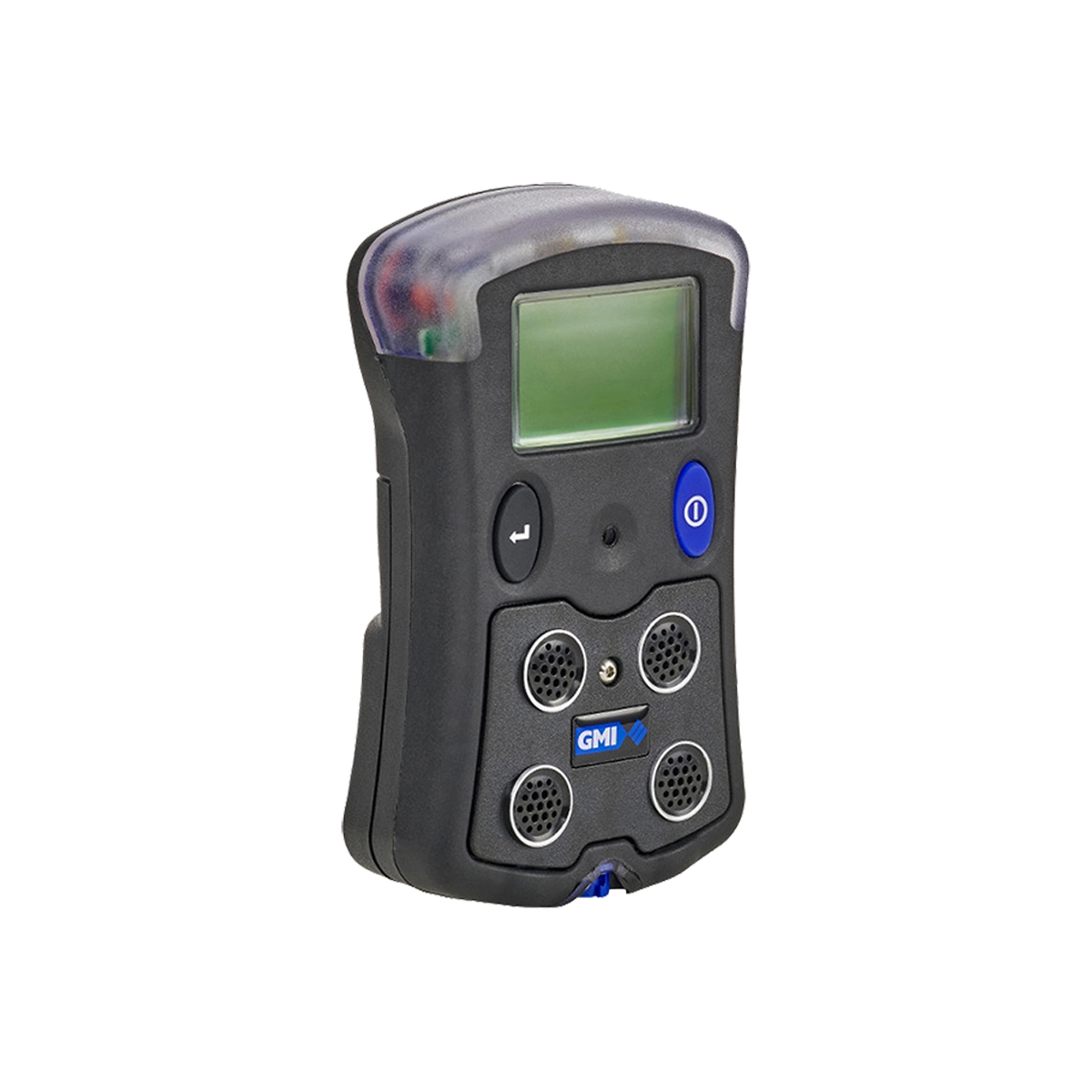
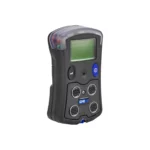
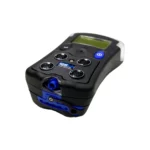
GMI PS500 portable multi-gas detector provides flexible five-gas confined space monitoring with rugged IP65 protection and powerful 360° alarms.

The GMI PS500 is a portable multi-gas detector for confined space and general plant safety, monitoring up to five gases simultaneously. Configurations cover flammable gases, oxygen, common toxics and VOCs, with optional infrared and PID sensing for demanding applications. A robust, rubberised IP65 housing, very loud audible and 360° visual alarms, and long-duration rechargeable power support reliable operation in harsh industrial and marine environments. Plug-and-play smart sensors, straightforward controls and strong accessory and docking options make the PS500 well suited to fleet deployment, routine work and high-risk shutdown activities.

AT A GLANCE

  • Flexible multi-gas coverage: Monitors up to five gases with plug-and-play smart sensors, pre-configured models and optional infrared and PID sensing.
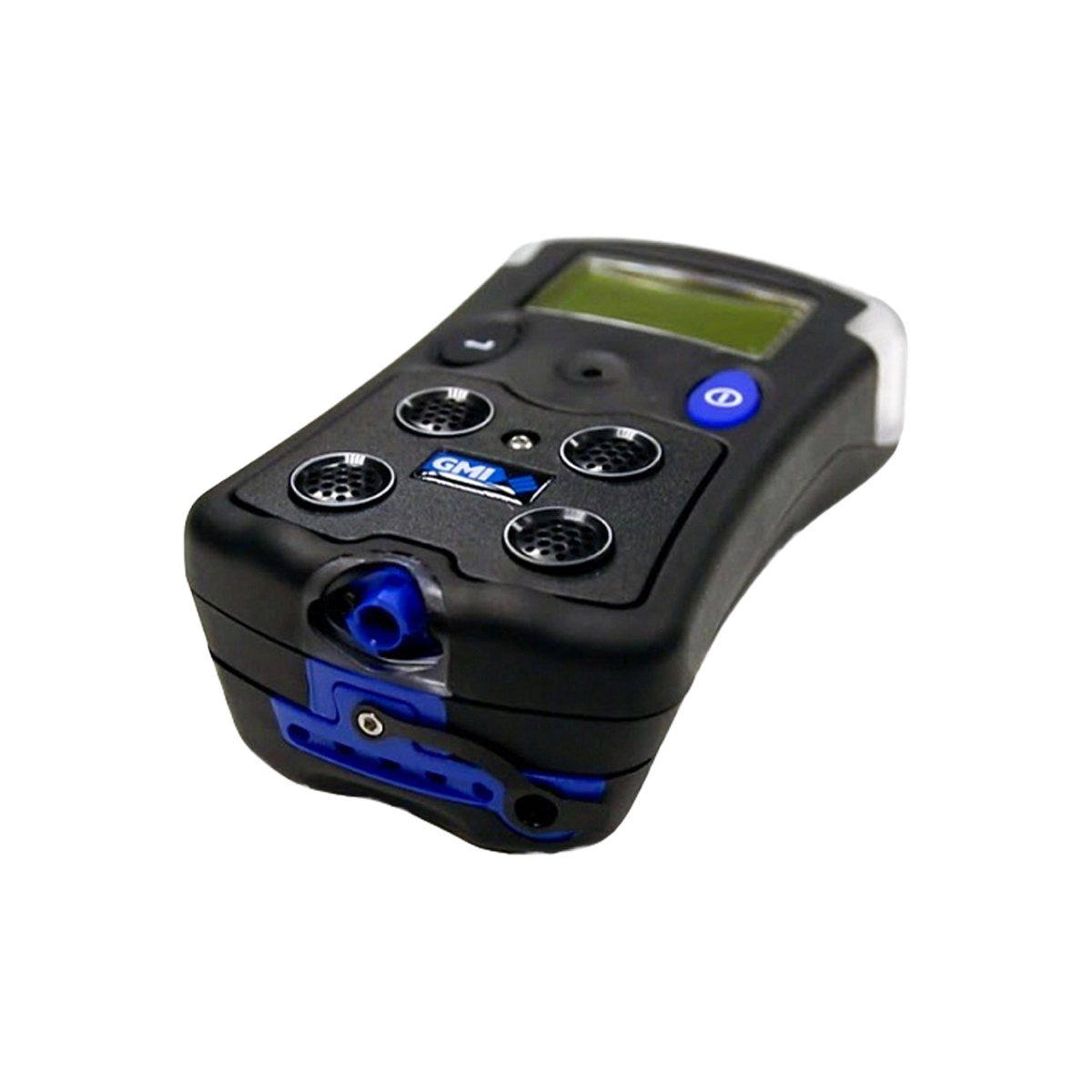
  • Adaptable sampling methods: Pumped, diffusion or combined operation, including pre-entry confined space sampling from up to 30 m.
  • Rugged protection and clear alarms: Rubberised, impact-resistant IP65 housing with 95 dB audible alarm and 360° light bar for high-visibility warning.
  • Fleet-ready data and maintenance: On-board datalogging, auto bump/calibration station compatibility and wide hazardous area approvals for global operations.

For detailed technical data, consult the Specifications tab.

Overview of GMI PS500

Confined Space Safety Built Around Real-World Hazards

The GMI PS500 is designed for personal gas monitoring in confined spaces and other high-risk areas where flammable, oxygen and toxic gas hazards may be present. It detects up to five gases simultaneously and supports a wide range of sensing options, including flammable (LEL), oxygen, key toxics and VOCs. Standard configurations cover common combinations such as LEL, oxygen, hydrogen sulphide and carbon monoxide, with options to add gases such as VOCs, sulphur dioxide, carbon dioxide or ammonia where site risks require it. This flexibility allows safety managers to align instrument configurations with risk assessments, work permits and local procedures.

For operations requiring broader coverage, the PS500 supports additional toxic gases including SO2, NH3, NO, NO2, Cl2, ClO2, PH3 and benzene, depending on the chosen build. Available PID sensors provide VOC monitoring in either wide-range or benzene-specific variants, supporting both short-term exposure control and longer-term occupational hygiene programmes.

Flexible Sensing Platform for Changing Operational Needs

The PS500 sensing platform is designed to adapt as processes, regulations or work scopes change. More than 15 plug-and-play smart sensors can be fitted, enabling rapid reconfiguration of gas types and ranges without returning detectors to the factory. A “Plug and Play” board design supports straightforward switching to different sensor sets, helping organisations standardise on a single detector family while still tailoring coverage to individual sites or tasks.

Optional infrared sensors for gases such as carbon dioxide and hydrocarbons provide enhanced reliability where pellistor poisoning or high hydrocarbon backgrounds are a concern. This platform approach reduces spares holdings, simplifies training and supports consistent procedures across fleets, from day-to-day maintenance work to complex shutdown or turnaround projects.

Pumped or Diffusion Monitoring for Safer Entry Decisions

The GMI PS500 is available in both pumped and diffusion versions, allowing organisations to match sampling methods to their confined space entry and permit-to-work processes. Instruments can operate in pumped mode, diffusion mode, or in a combined approach, enabling remote pre-entry sampling followed by personal diffusion monitoring during entry.

The optional internal pump can draw samples from up to 30 m (98 ft) via sample tubing, providing information from tanks, voids, holds, tunnels and other inaccessible spaces before entry. Selecting between pump and diffusion operation also helps extend battery life, as users can choose the most efficient mode for each task while maintaining appropriate protection.

Rugged, High-Visibility Design for Harsh Environments

With a moulded, rubberised polycarbonate casing, the PS500 withstands rough handling and high-impact industrial environments. Its IP65 rating provides dust-tight protection and resistance to water jets, making it suitable for demanding locations such as ship decks, brewery cellars, tunnels and outdoor process areas where moisture, dirt and washdown are common.

A powerful 95 dB audible alarm is designed to be heard in noisy environments, while a 360° high-visibility light bar and large alarm indicators ensure status can be seen from any angle. A high-contrast display and clear status icons support quick readings in low light, smoky conditions or confined spaces, helping teams verify instrument status at a glance.

Power Options and Low Cost of Ownership

The PS500 is engineered for long-duration field use. A NiMH rechargeable battery delivers extended runtime, including at least 12 hours of operation with the pump running, supporting long shifts, night work and vessel transits. Additional battery pack options, including long-duration, fast-charge and dry cell packs, provide flexibility for different deployment models and logistics constraints.

Rugged construction, long-life sensors and serviceable components contribute to a low cost of ownership. Detectors can remain in service for extended periods with planned maintenance, helping reduce unplanned downtime, minimise replacement cycles and support predictable budgeting across large fleets.

Data, Compliance and Fleet Management

On-board datalogging captures calibration records, exposure history and event data, supporting audit trails, incident investigation and regulatory reporting. Timed and session-based logging modes provide at least 24 hours of 1-minute data over multiple sessions, allowing supervisors to review conditions before, during and after critical work such as confined space entries or fumigation checks.

The PS500 works with automatic bump and calibration stations and dedicated software such as flexiCal, enabling streamlined routine testing and calibration. IR communication with datalogging and configuration tools supports centralised fleet setup, download and record management, reducing manual data handling and supporting consistent instrument settings across sites.

Simple Operation, Standardised Setups and Accessories

A clear, intuitive user interface minimises training time, which is particularly valuable for rotating crews, contractors and seasonal workers. Standard alarm settings and guided calibration workflows for key gases such as hydrogen sulphide, carbon monoxide, LEL and oxygen make it easier to align instruments with corporate standards and local exposure limits.

A comprehensive accessory range includes sample probes, tubing, hand aspirators and harnesses to support different sampling practices, along with carrying cases and neck or chest harnesses for hands-free use in confined spaces. Multiple charging options, including universal mains chargers, multi-way chargers, vehicle leads and fast-charge docking systems, support both individual users and large multi-site fleets.

Approvals and Typical Applications

The GMI PS500 holds extensive international approvals for use in potentially explosive atmospheres, including marine approvals for use on EU-flagged vessels and regional certifications in Europe, North America and other key markets. These approvals support deployment in hazardous areas across industries such as shipping, oil and gas, chemical processing, utilities, breweries and tunnelling.

Developed in close collaboration with end users, the PS500 is particularly suited to personal monitoring in confined spaces where hydrogen sulphide, oxygen deficiency and carbon monoxide are key hazards. It is equally applicable to general confined space work, plant shutdowns, fumigation checks and wider permit-to-work regimes. A two-year warranty and access to authorised service centres and partners provide additional assurance for long-term gas safety programmes.

Documentation

GMI PS500 portable multi-gas detector provides flexible five-gas confined space monitoring with rugged IP65 protection and powerful 360° alarms.

The GMI PS500 is a portable multi-gas detector for confined space and general plant safety, monitoring up to five gases simultaneously. Configurations cover flammable gases, oxygen, common toxics and VOCs, with optional infrared and PID sensing for demanding applications. A robust, rubberised IP65 housing, very loud audible and 360° visual alarms, and long-duration rechargeable power support reliable operation in harsh industrial and marine environments. Plug-and-play smart sensors, straightforward controls and strong accessory and docking options make the PS500 well suited to fleet deployment, routine work and high-risk shutdown activities.

AT A GLANCE

  • Flexible multi-gas coverage: Monitors up to five gases with plug-and-play smart sensors, pre-configured models and optional infrared and PID sensing.
  • Adaptable sampling methods: Pumped, diffusion or combined operation, including pre-entry confined space sampling from up to 30 m.
  • Rugged protection and clear alarms: Rubberised, impact-resistant IP65 housing with 95 dB audible alarm and 360° light bar for high-visibility warning.
  • Fleet-ready data and maintenance: On-board datalogging, auto bump/calibration station compatibility and wide hazardous area approvals for global operations.

For detailed technical data, consult the Specifications tab.

Overview of GMI PS500

Confined Space Safety Built Around Real-World Hazards

The GMI PS500 is designed for personal gas monitoring in confined spaces and other high-risk areas where flammable, oxygen and toxic gas hazards may be present. It detects up to five gases simultaneously and supports a wide range of sensing options, including flammable (LEL), oxygen, key toxics and VOCs. Standard configurations cover common combinations such as LEL, oxygen, hydrogen sulphide and carbon monoxide, with options to add gases such as VOCs, sulphur dioxide, carbon dioxide or ammonia where site risks require it. This flexibility allows safety managers to align instrument configurations with risk assessments, work permits and local procedures.

For operations requiring broader coverage, the PS500 supports additional toxic gases including SO2, NH3, NO, NO2, Cl2, ClO2, PH3 and benzene, depending on the chosen build. Available PID sensors provide VOC monitoring in either wide-range or benzene-specific variants, supporting both short-term exposure control and longer-term occupational hygiene programmes.

Flexible Sensing Platform for Changing Operational Needs

The PS500 sensing platform is designed to adapt as processes, regulations or work scopes change. More than 15 plug-and-play smart sensors can be fitted, enabling rapid reconfiguration of gas types and ranges without returning detectors to the factory. A “Plug and Play” board design supports straightforward switching to different sensor sets, helping organisations standardise on a single detector family while still tailoring coverage to individual sites or tasks.

Optional infrared sensors for gases such as carbon dioxide and hydrocarbons provide enhanced reliability where pellistor poisoning or high hydrocarbon backgrounds are a concern. This platform approach reduces spares holdings, simplifies training and supports consistent procedures across fleets, from day-to-day maintenance work to complex shutdown or turnaround projects.

Pumped or Diffusion Monitoring for Safer Entry Decisions

The GMI PS500 is available in both pumped and diffusion versions, allowing organisations to match sampling methods to their confined space entry and permit-to-work processes. Instruments can operate in pumped mode, diffusion mode, or in a combined approach, enabling remote pre-entry sampling followed by personal diffusion monitoring during entry.

The optional internal pump can draw samples from up to 30 m (98 ft) via sample tubing, providing information from tanks, voids, holds, tunnels and other inaccessible spaces before entry. Selecting between pump and diffusion operation also helps extend battery life, as users can choose the most efficient mode for each task while maintaining appropriate protection.

Rugged, High-Visibility Design for Harsh Environments

With a moulded, rubberised polycarbonate casing, the PS500 withstands rough handling and high-impact industrial environments. Its IP65 rating provides dust-tight protection and resistance to water jets, making it suitable for demanding locations such as ship decks, brewery cellars, tunnels and outdoor process areas where moisture, dirt and washdown are common.

A powerful 95 dB audible alarm is designed to be heard in noisy environments, while a 360° high-visibility light bar and large alarm indicators ensure status can be seen from any angle. A high-contrast display and clear status icons support quick readings in low light, smoky conditions or confined spaces, helping teams verify instrument status at a glance.

Power Options and Low Cost of Ownership

The PS500 is engineered for long-duration field use. A NiMH rechargeable battery delivers extended runtime, including at least 12 hours of operation with the pump running, supporting long shifts, night work and vessel transits. Additional battery pack options, including long-duration, fast-charge and dry cell packs, provide flexibility for different deployment models and logistics constraints.

Rugged construction, long-life sensors and serviceable components contribute to a low cost of ownership. Detectors can remain in service for extended periods with planned maintenance, helping reduce unplanned downtime, minimise replacement cycles and support predictable budgeting across large fleets.

Data, Compliance and Fleet Management

On-board datalogging captures calibration records, exposure history and event data, supporting audit trails, incident investigation and regulatory reporting. Timed and session-based logging modes provide at least 24 hours of 1-minute data over multiple sessions, allowing supervisors to review conditions before, during and after critical work such as confined space entries or fumigation checks.

The PS500 works with automatic bump and calibration stations and dedicated software such as flexiCal, enabling streamlined routine testing and calibration. IR communication with datalogging and configuration tools supports centralised fleet setup, download and record management, reducing manual data handling and supporting consistent instrument settings across sites.

Simple Operation, Standardised Setups and Accessories

A clear, intuitive user interface minimises training time, which is particularly valuable for rotating crews, contractors and seasonal workers. Standard alarm settings and guided calibration workflows for key gases such as hydrogen sulphide, carbon monoxide, LEL and oxygen make it easier to align instruments with corporate standards and local exposure limits.

A comprehensive accessory range includes sample probes, tubing, hand aspirators and harnesses to support different sampling practices, along with carrying cases and neck or chest harnesses for hands-free use in confined spaces. Multiple charging options, including universal mains chargers, multi-way chargers, vehicle leads and fast-charge docking systems, support both individual users and large multi-site fleets.

Approvals and Typical Applications

The GMI PS500 holds extensive international approvals for use in potentially explosive atmospheres, including marine approvals for use on EU-flagged vessels and regional certifications in Europe, North America and other key markets. These approvals support deployment in hazardous areas across industries such as shipping, oil and gas, chemical processing, utilities, breweries and tunnelling.

Developed in close collaboration with end users, the PS500 is particularly suited to personal monitoring in confined spaces where hydrogen sulphide, oxygen deficiency and carbon monoxide are key hazards. It is equally applicable to general confined space work, plant shutdowns, fumigation checks and wider permit-to-work regimes. A two-year warranty and access to authorised service centres and partners provide additional assurance for long-term gas safety programmes.

Close
CONFIRM SELECTIONS