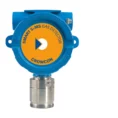
Crowcon Txgard IS

Sales and Site Survey - liz@ribble-enviro.co.uk

ShipServ

Approved Supplier

12-Month

Certified Calibration

Fast Shipping

To Ports Worldwide

Contact Us

For Custom Orders

Description

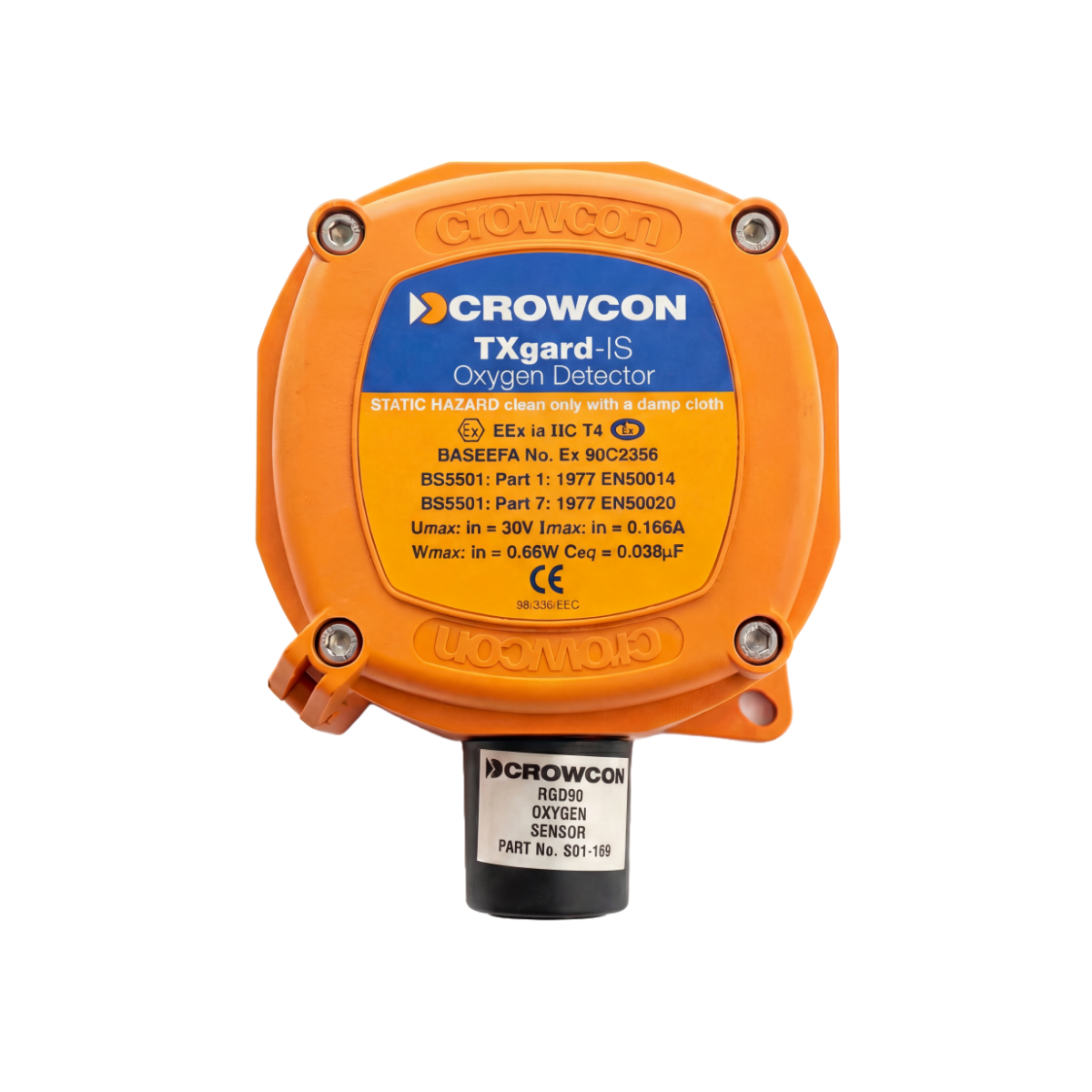
The Crowcon Txgard IS is a fixed-point industrial gas detection solution designed for continuous monitoring of gas hazards across demanding process areas and utilities. It helps organisations protect personnel, assets and operations by delivering dependable performance and straightforward deployment for fixed-site safety applications.

Overview of Crowcon Txgard IS

At a Glance

  • Fixed-point monitoring: Continuous area coverage to help maintain safe operations in industrial environments.
  • Industrial-grade build: Engineered for dependable service in demanding conditions and long-term plant use.
  • Fast integration: Straightforward installation and connection to site control and monitoring systems.
  • Low maintenance: Serviceable design that supports routine checks and cost-effective lifecycle management.

The Crowcon Txgard IS is intended for organisations that require reliable, fixed-point gas monitoring as a core layer of industrial risk reduction. Whether deployed as part of a new installation or to refresh legacy detection points, it offers a platform that helps maintain awareness of gas hazards and supports timely intervention. Its design philosophy focuses on dependable operation, practical installation, and sustainable maintenance—key factors for facilities that run continuously and cannot afford prolonged stops.

The instrument supports continuous surveillance of gas hazards in process areas, utilities, confined spaces, and other locations where gas exposure risks must be managed. By providing fixed-point monitoring at the source of risk, it helps operators localise issues faster, implement controls earlier, and maintain a consistent safety posture across shifts and changing site conditions. The emphasis is on dependable performance over extended service intervals, with an architecture that aligns with routine inspection and calibration practices used by industrial safety teams.

  • Safety and reliability at the core: As a fixed detector, the Crowcon Txgard IS focuses on stable operation and consistent readings to underpin alarm strategies and emergency procedures. This supports a resilient safety system that can be audited and trusted over time.
  • Configurable for varied applications: The platform is suitable for deployment across a wide range of industrial sectors and site layouts. It can be specified to address different monitoring points and control philosophies, helping standardise detection across multiple areas.
  • Efficient to commission: The mechanical and electrical design supports straightforward installation by competent technicians, helping to reduce commissioning time and simplify project schedules—whether adding a single point or completing a multi-detector roll-out.
  • Built for industrial conditions: A rugged housing approach and attention to environmental sealing support dependable operation in dusty, damp, or vibration-prone locations typically found in processing, manufacturing, and utility settings.
  • Service-friendly lifecycle: The instrument is designed to work within established maintenance regimes, enabling routine checks and calibration without unnecessary disruption. This helps keep plant availability high while meeting internal safety policies.
  • Scalable deployment: The Crowcon Txgard IS can be applied as a lone detector or as part of a sitewide network. Standardised practices across detectors make training and upkeep more consistent for maintenance teams.

Integration into existing safety systems is central to the value of a fixed detector, and this product is engineered to fit within typical control room and panel-based architectures. It supports clear handover of status and alarm information to supervisory systems so that plant personnel can act quickly and confidently. When combined with suitable control logic and procedures, it helps enable early warnings and informed shutdowns or mitigations—limiting the impact of incidents and supporting regulatory obligations.

From an operations perspective, the Crowcon Txgard IS aims to keep maintenance clear and predictable. The physical layout supports access for inspection, and routine calibration can be incorporated into normal site work patterns. This reduces the need for extended interventions, helping to minimise technician time at height or in process zones. Over the long term, the emphasis on maintainability contributes to a lower total cost of ownership, especially for sites with large installed bases and frequent audits.

  • Consistent fleet management: Standardising on a single detector family simplifies spares, training, and procedures across multiple plants or business units. This helps reduce administrative overhead and variation in performance.
  • Operational continuity: By focusing on reliable fixed-point monitoring, the device supports continuous processes, seasonal shifts, and variable loading without compromising visibility of gas hazards.
  • Clear role in layered safety: The detector complements ventilation, process controls, and personal monitoring to form a comprehensive safety strategy. Its fixed location provides a stable reference point for incident investigation and prevention.
  • Flexible placement options: Suitable mounting locations include process skids, plant rooms, corridors, and near potential leak sources, supporting targeted risk reduction based on site surveys.
  • Future-ready platform: The Crowcon Txgard IS fits within modernisation programs where legacy equipment is replaced progressively. Its design helps limit disruption during phased upgrades and expansions.

For procurement and engineering teams, adopting a single, robust detector family streamlines design reviews and simplifies documentation management. Clear product segmentation and consistent installation practices help project engineers deliver predictable outcomes across greenfield and brownfield scopes. Once in service, maintenance and HSE teams benefit from repeatable workflows and straightforward inspection routines, keeping focus on prevention rather than reactive firefighting.

For detailed technical data, consult the Specifications tab.

 

The Crowcon Txgard IS is a fixed-point industrial gas detection solution designed for continuous monitoring of gas hazards across demanding process areas and utilities. It helps organisations protect personnel, assets and operations by delivering dependable performance and straightforward deployment for fixed-site safety applications.

Overview of Crowcon Txgard IS

At a Glance

  • Fixed-point monitoring: Continuous area coverage to help maintain safe operations in industrial environments.
  • Industrial-grade build: Engineered for dependable service in demanding conditions and long-term plant use.
  • Fast integration: Straightforward installation and connection to site control and monitoring systems.
  • Low maintenance: Serviceable design that supports routine checks and cost-effective lifecycle management.

The Crowcon Txgard IS is intended for organisations that require reliable, fixed-point gas monitoring as a core layer of industrial risk reduction. Whether deployed as part of a new installation or to refresh legacy detection points, it offers a platform that helps maintain awareness of gas hazards and supports timely intervention. Its design philosophy focuses on dependable operation, practical installation, and sustainable maintenance—key factors for facilities that run continuously and cannot afford prolonged stops.

The instrument supports continuous surveillance of gas hazards in process areas, utilities, confined spaces, and other locations where gas exposure risks must be managed. By providing fixed-point monitoring at the source of risk, it helps operators localise issues faster, implement controls earlier, and maintain a consistent safety posture across shifts and changing site conditions. The emphasis is on dependable performance over extended service intervals, with an architecture that aligns with routine inspection and calibration practices used by industrial safety teams.

  • Safety and reliability at the core: As a fixed detector, the Crowcon Txgard IS focuses on stable operation and consistent readings to underpin alarm strategies and emergency procedures. This supports a resilient safety system that can be audited and trusted over time.
  • Configurable for varied applications: The platform is suitable for deployment across a wide range of industrial sectors and site layouts. It can be specified to address different monitoring points and control philosophies, helping standardise detection across multiple areas.
  • Efficient to commission: The mechanical and electrical design supports straightforward installation by competent technicians, helping to reduce commissioning time and simplify project schedules—whether adding a single point or completing a multi-detector roll-out.
  • Built for industrial conditions: A rugged housing approach and attention to environmental sealing support dependable operation in dusty, damp, or vibration-prone locations typically found in processing, manufacturing, and utility settings.
  • Service-friendly lifecycle: The instrument is designed to work within established maintenance regimes, enabling routine checks and calibration without unnecessary disruption. This helps keep plant availability high while meeting internal safety policies.
  • Scalable deployment: The Crowcon Txgard IS can be applied as a lone detector or as part of a sitewide network. Standardised practices across detectors make training and upkeep more consistent for maintenance teams.

Integration into existing safety systems is central to the value of a fixed detector, and this product is engineered to fit within typical control room and panel-based architectures. It supports clear handover of status and alarm information to supervisory systems so that plant personnel can act quickly and confidently. When combined with suitable control logic and procedures, it helps enable early warnings and informed shutdowns or mitigations—limiting the impact of incidents and supporting regulatory obligations.

From an operations perspective, the Crowcon Txgard IS aims to keep maintenance clear and predictable. The physical layout supports access for inspection, and routine calibration can be incorporated into normal site work patterns. This reduces the need for extended interventions, helping to minimise technician time at height or in process zones. Over the long term, the emphasis on maintainability contributes to a lower total cost of ownership, especially for sites with large installed bases and frequent audits.

  • Consistent fleet management: Standardising on a single detector family simplifies spares, training, and procedures across multiple plants or business units. This helps reduce administrative overhead and variation in performance.
  • Operational continuity: By focusing on reliable fixed-point monitoring, the device supports continuous processes, seasonal shifts, and variable loading without compromising visibility of gas hazards.
  • Clear role in layered safety: The detector complements ventilation, process controls, and personal monitoring to form a comprehensive safety strategy. Its fixed location provides a stable reference point for incident investigation and prevention.
  • Flexible placement options: Suitable mounting locations include process skids, plant rooms, corridors, and near potential leak sources, supporting targeted risk reduction based on site surveys.
  • Future-ready platform: The Crowcon Txgard IS fits within modernisation programs where legacy equipment is replaced progressively. Its design helps limit disruption during phased upgrades and expansions.

For procurement and engineering teams, adopting a single, robust detector family streamlines design reviews and simplifies documentation management. Clear product segmentation and consistent installation practices help project engineers deliver predictable outcomes across greenfield and brownfield scopes. Once in service, maintenance and HSE teams benefit from repeatable workflows and straightforward inspection routines, keeping focus on prevention rather than reactive firefighting.

For detailed technical data, consult the Specifications tab.