Because chlorine is heavier than air, a release can settle in lower areas such as plant rooms, service ducts, confined spaces, and poorly ventilated locations. Contact with moisture can also produce corrosive acidic compounds, increasing the risk of irritation and respiratory harm even during relatively small leaks.
Workers may notice a strong odour at first, although smell cannot be relied upon as a dependable warning because sensitivity can decrease with continued chlorine exposure.
Hiring detection equipment is often a sensible option when monitoring is required for a limited period. Maintenance work, shutdowns, plant upgrades, and engineering inspections may all require additional gas detection for a short time. Chlorine detector hire allows organisations to introduce monitoring quickly without maintaining specialist equipment between projects.
When Is Chlorine Gas Monitoring Required?
Chlorine monitoring is commonly needed wherever the gas is stored, transferred, or used in quantities that could affect workers if a release occurred. This often includes cylinder storage areas, dosing systems, and locations where chlorine is injected into treatment processes.
Workplace exposure limits for chlorine in the UK are set at relatively low concentrations, which means instruments must be positioned carefully and checked regularly to maintain accurate readings. Monitoring also provides reassurance that engineering controls and safe handling procedures are performing as intended.
Environments where chlorine monitoring is needed
Typical places where chlorine monitoring is used include:
- Municipal drinking water treatment facilities
- Wastewater treatment plants and dosing systems
- Chemical manufacturing processes, including chlor-alkali production
- PVC and other plastics manufacturing environments
- Paper, pulp, and textile bleaching operations
- Chlorine cylinder storage rooms and bulk handling areas
- Transfer, injection, and offload points where chlorine leaks may occur
Monitoring is particularly important in enclosed spaces and plant rooms where ventilation may be limited. Early detection supports emergency planning and helps sites respond quickly if a leak develops.
Choosing the Right Chlorine Detector Hire
Monitoring chlorine can be influenced by environmental conditions, material compatibility, and calibration approach. Humidity levels, sampling arrangements, and sensor maintenance all play a role in obtaining dependable readings. For this reason, Ribble Enviro offers straightforward guidance that supports site risk assessments and everyday exposure control.
Portable, single-gas electrochemical monitors
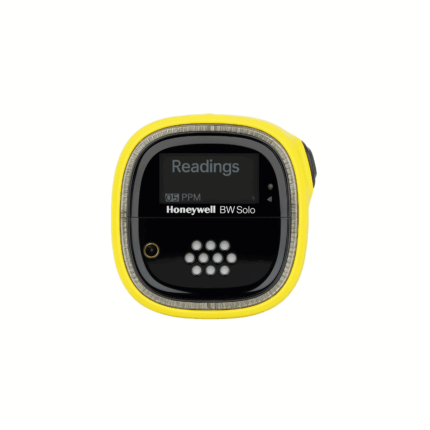
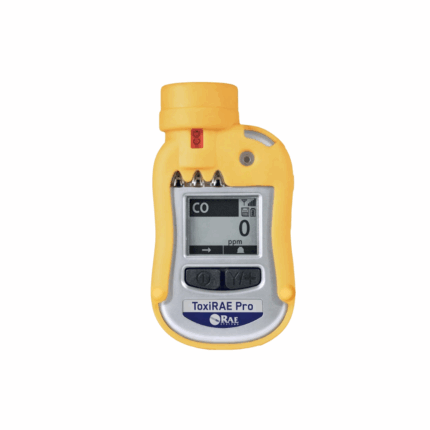
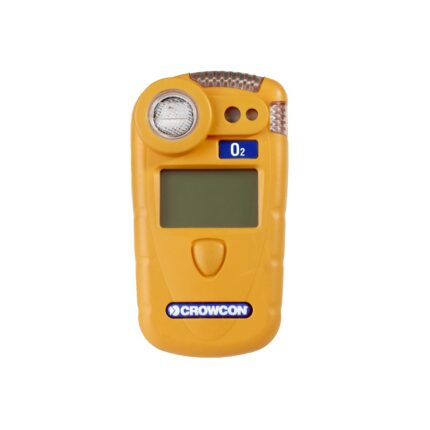
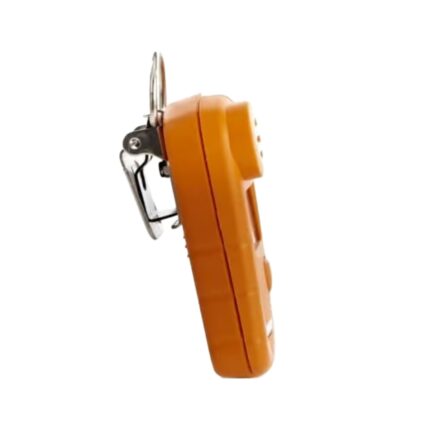
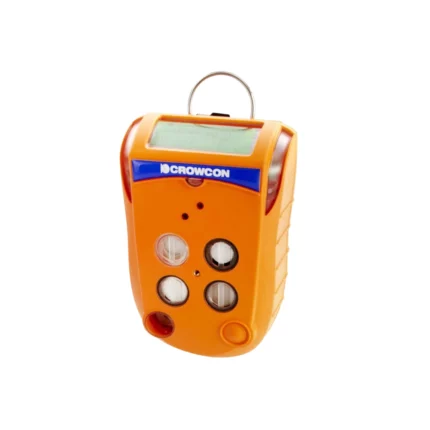
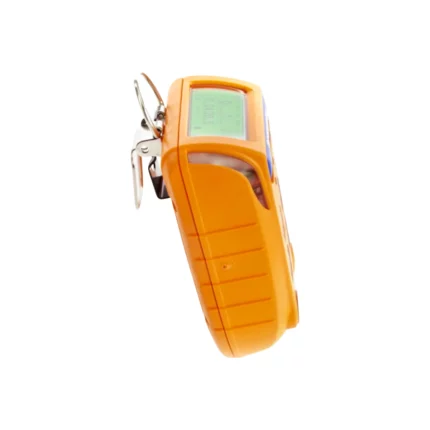
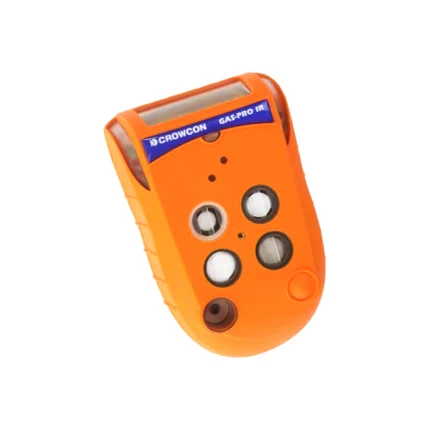
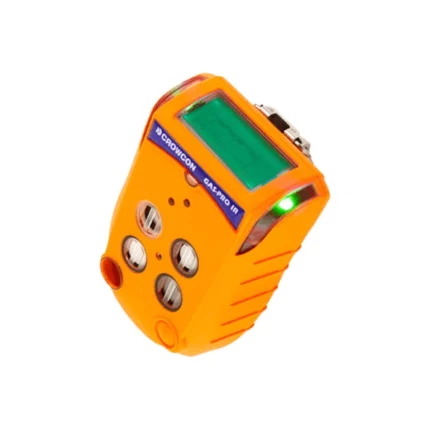
Electrochemical sensors are the most common approach for chlorine detection, offering good selectivity and fast response when properly maintained. They can be worn or carried by personnel as they move around your site. Options such as the Honeywell BW Solo or Crowcon Gasman suit personal monitoring where early warning is needed.
Multi-gas portable monitors for mixed hazards
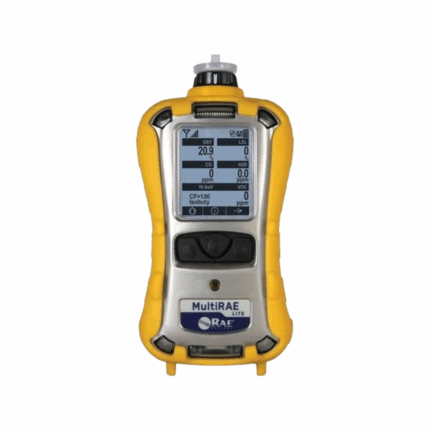
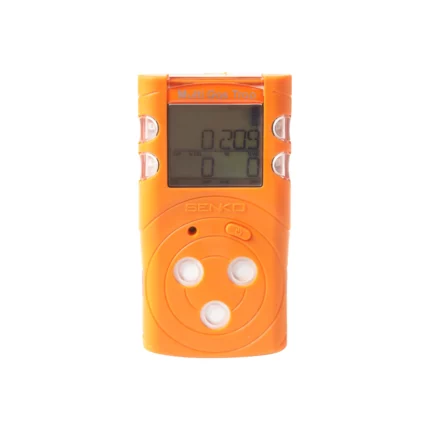
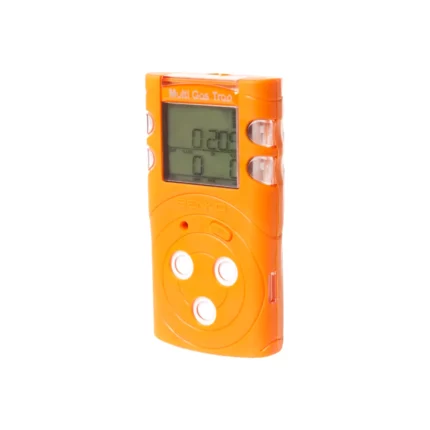
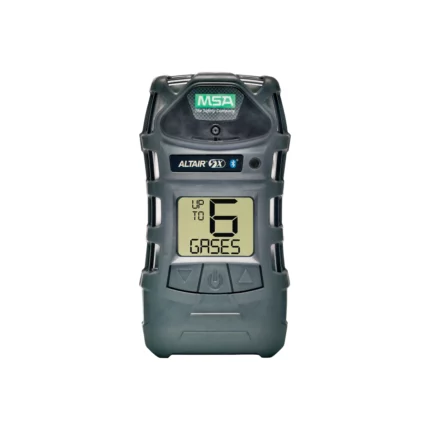
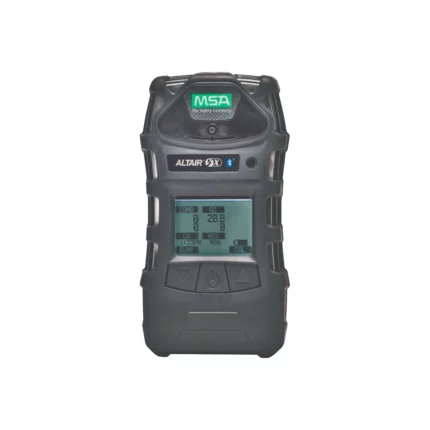
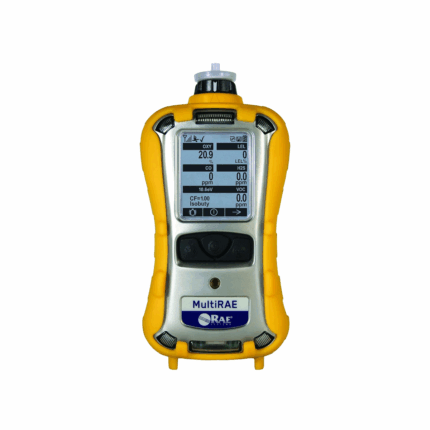
If the work area may involve other hazards alongside chlorine, a multi-gas unit can support broader monitoring during site activities while still providing chlorine detection through the appropriate sensor configuration. Instruments such as the MSA ALTAIR 5X or RAE Systems MultiRAE are commonly used for this type of task-based monitoring.
Be aware that cross-sensitivity can cause false or elevated readings with some sensors, and chlorine monitoring is sensitive to the sampling setup. Where sampling is used, material compatibility matters because chlorine can adsorb onto unsuitable tubing, leading to inaccurate low readings.
Area monitoring for fixed locations and temporary set-ups
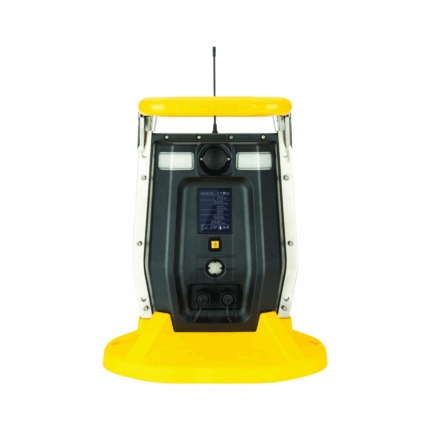
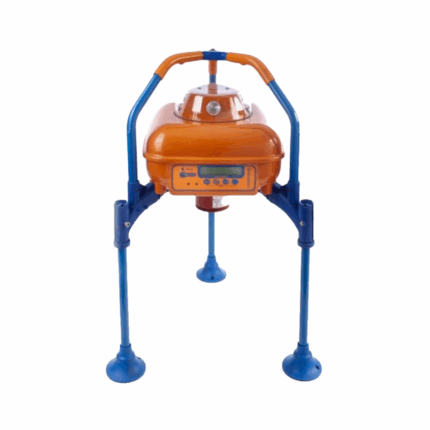
Temporary area monitoring may also be useful in plant rooms or locations where chlorine equipment is installed. Area detectors can provide continuous presence detection and local alarms during maintenance work or inspections. Equipment such as the Honeywell BW RigRat is often used for short-term coverage when work is underway near potential leak sources.
Calibration considerations for low-level chlorine work
Chlorine is often monitored against very low exposure limits, and calibration at workplace-relevant concentrations can be challenging if the available calibration gas exceeds your target range.
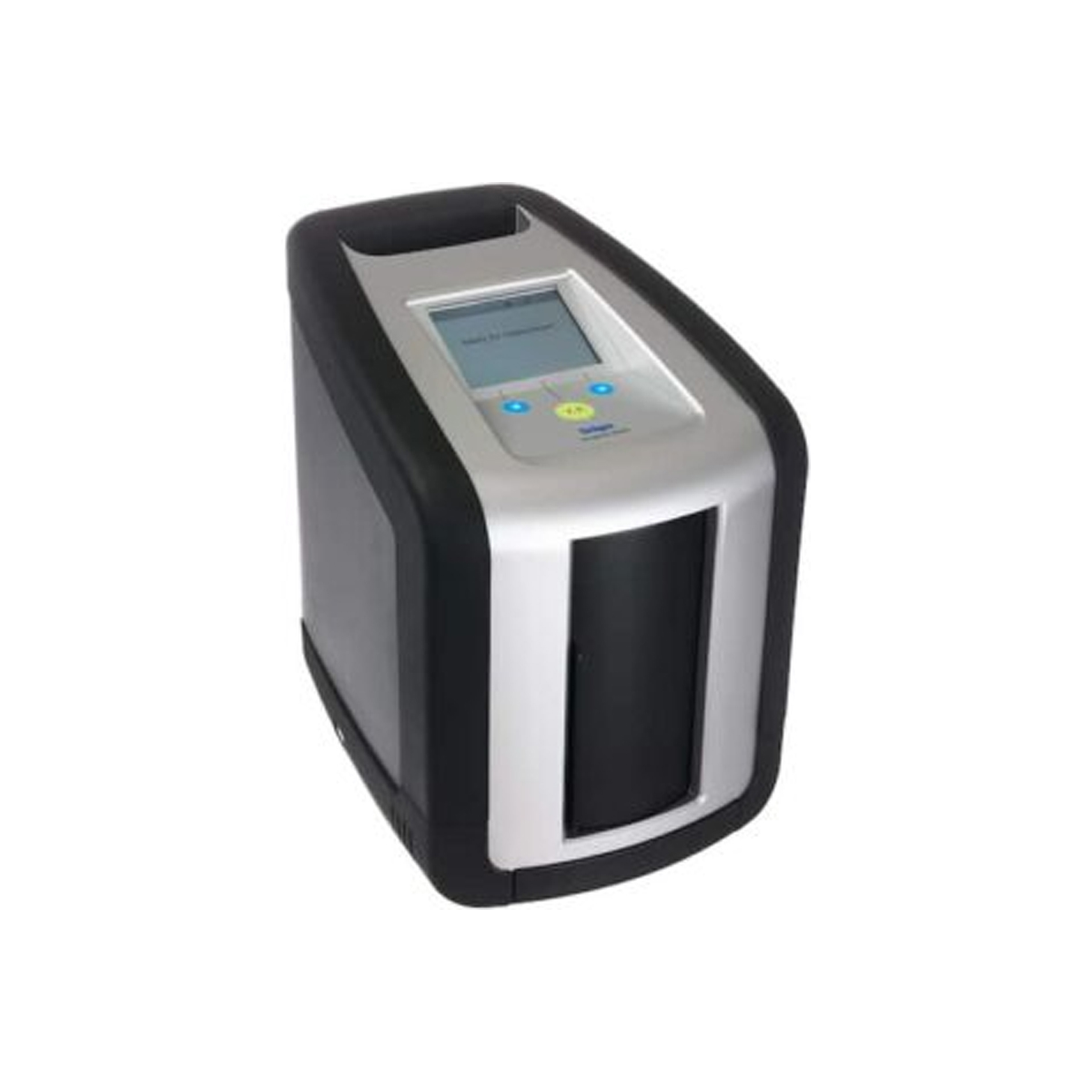
Using zero air or nitrogen for zeroing, in addition to maintaining documented calibration and bump testing routines, can help keep readings dependable, including when arranging Cl₂ monitor hire or Cl₂ detector hire for short-term tasks.
If you are unsure which instrument to choose for your task or site conditions, Ribble Enviro can help. Get in touch with our team, and we can advise on monitoring strategies and a chlorine detector hire that supports safe and reliable detection during your project.