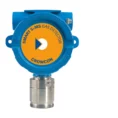
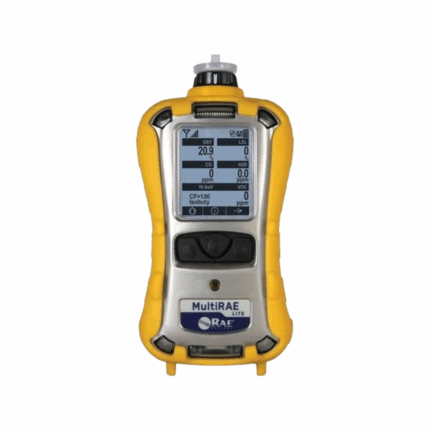
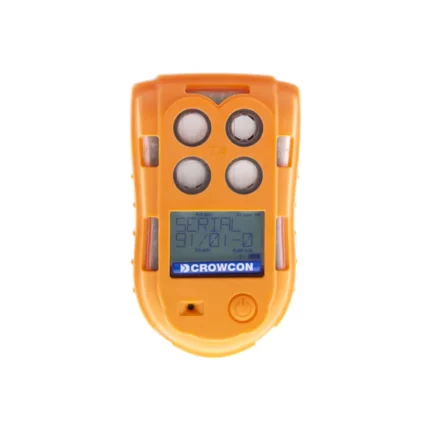
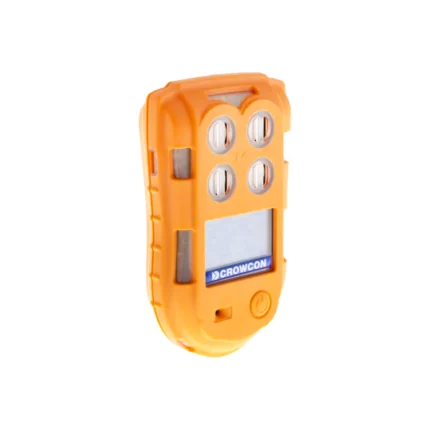
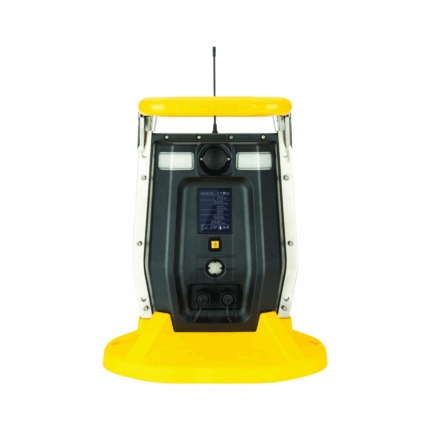
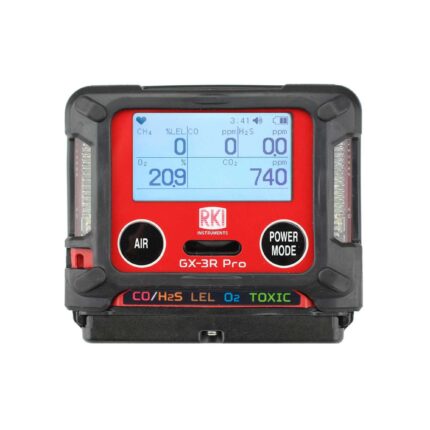
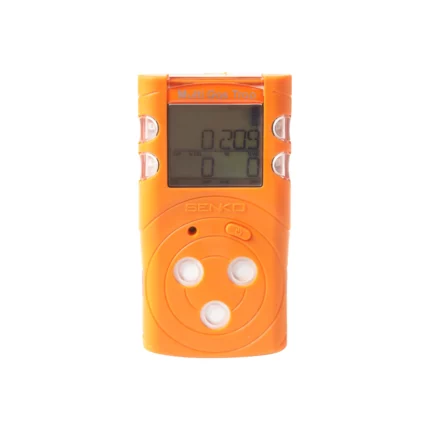
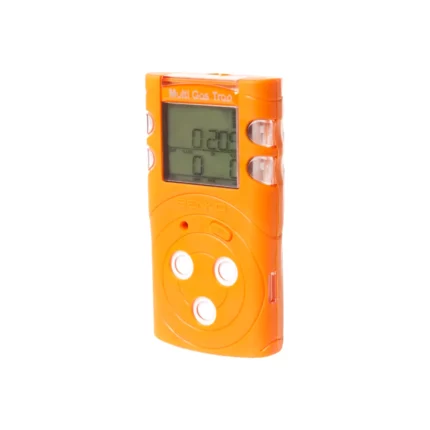
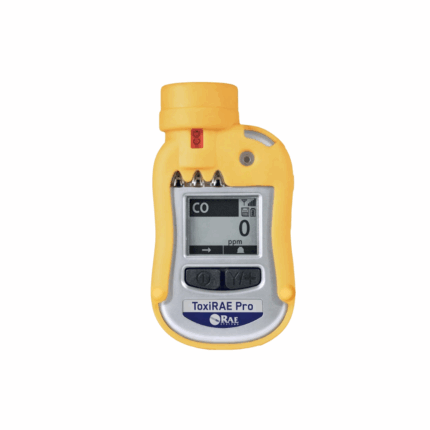
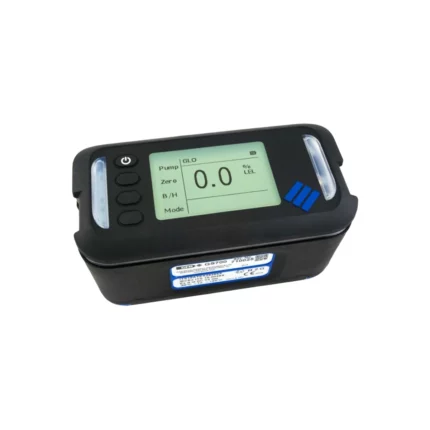
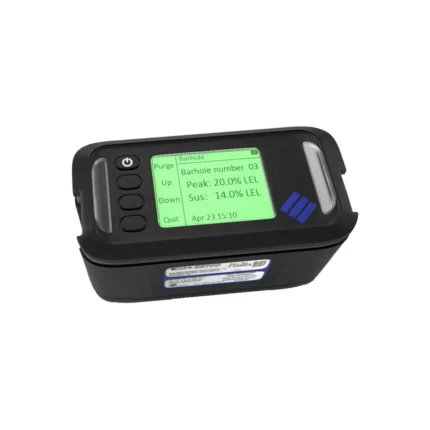
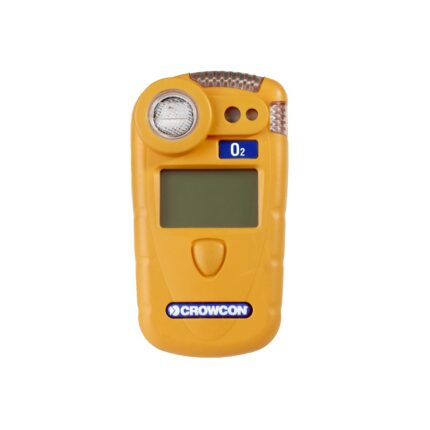
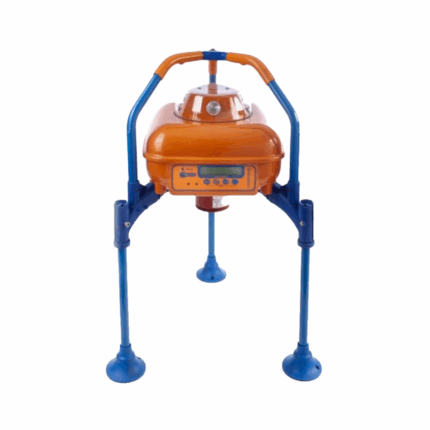
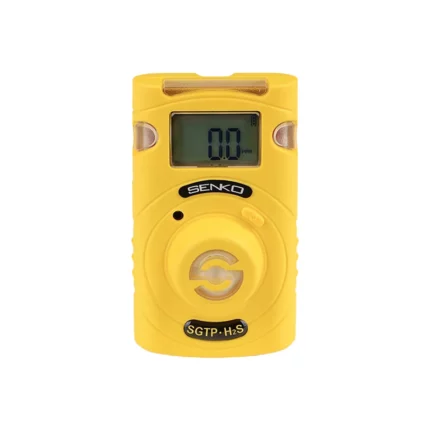
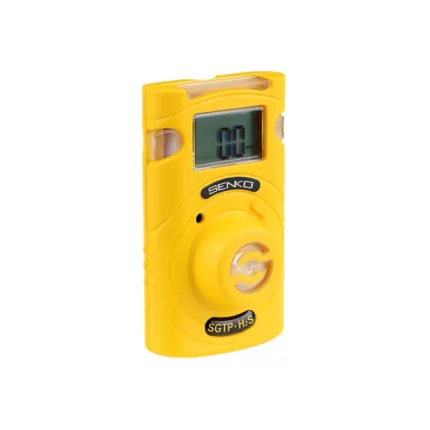
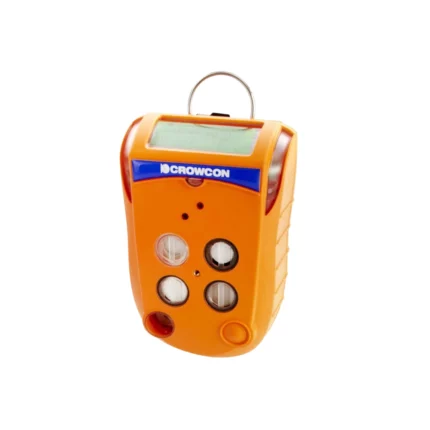
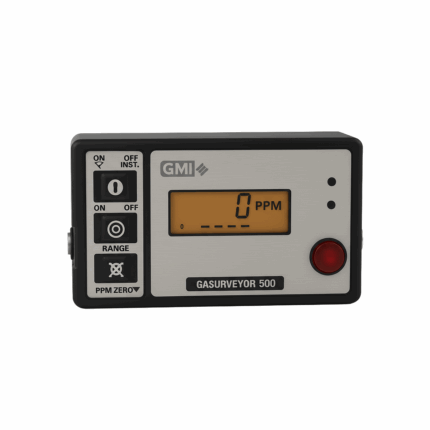
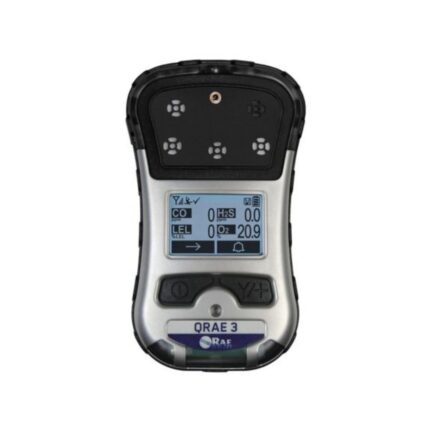
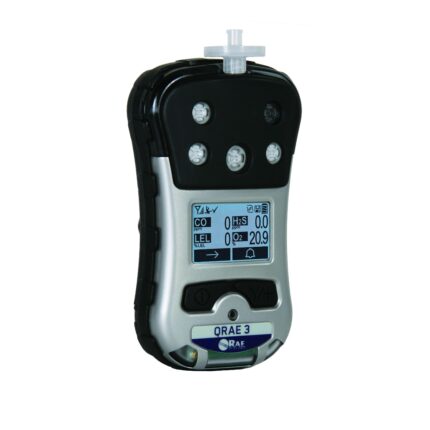
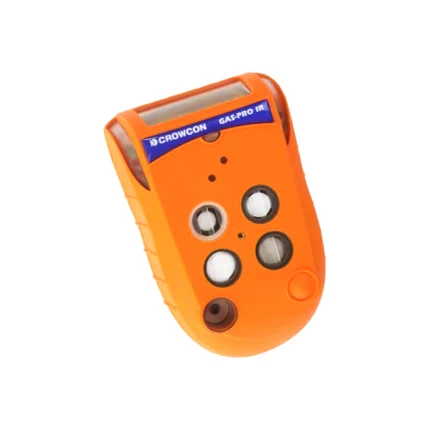
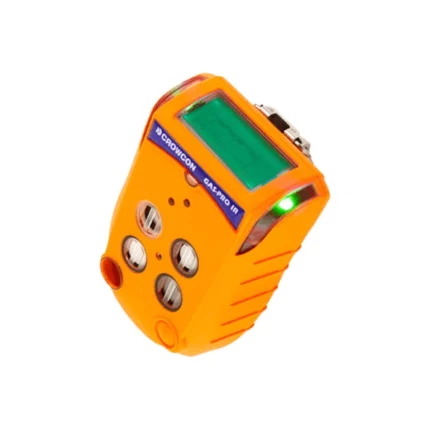
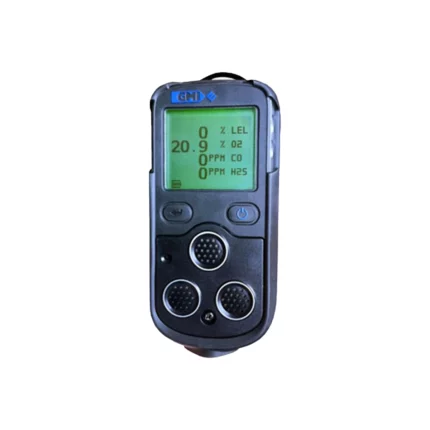
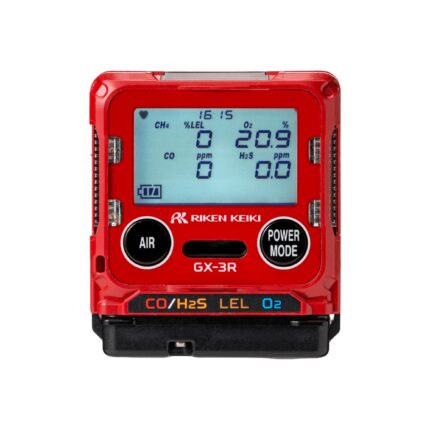
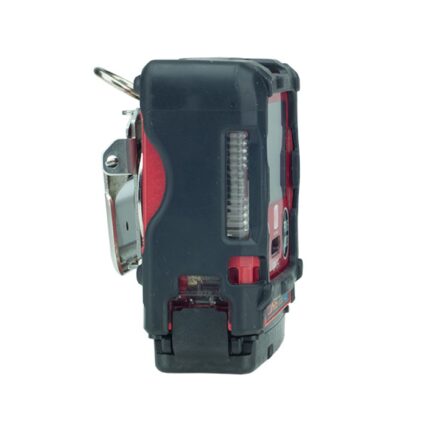
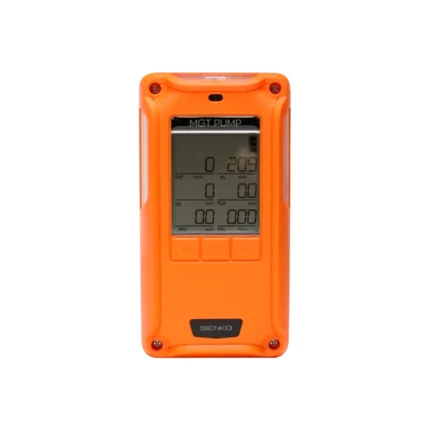
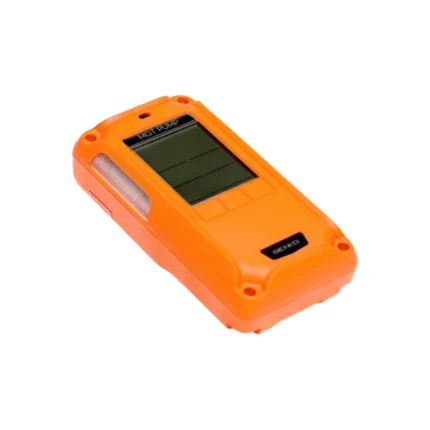
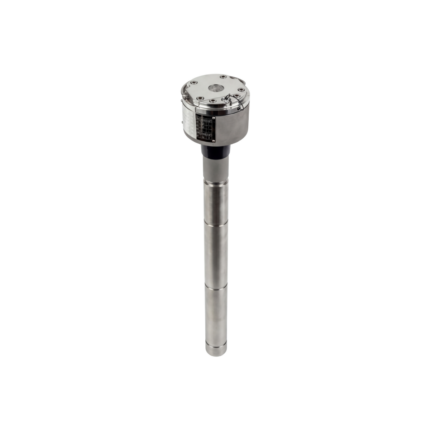
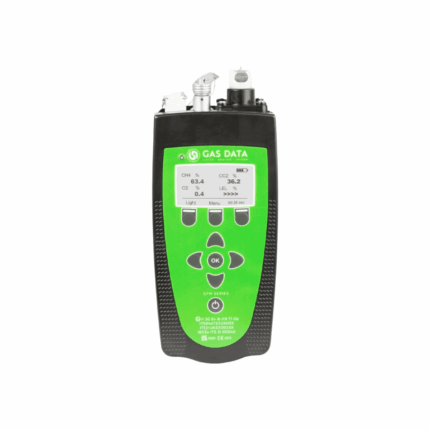
Hiring can be a practical way to cover short-term work such as planned maintenance, shutdowns, breakdown response and temporary monitoring needs, without tying up budget in rarely used equipment. It also gives flexibility to scale the number and type of monitors to match changing work scopes and workforce size across a project.
When Is Hydrogen Sulphide Gas Monitoring Required?
Monitoring is typically required wherever hydrogen sulphide may be present or generated, particularly in confined spaces and low-lying or poorly ventilated areas where the gas can accumulate. Good practice is to test atmospheres before entry and to monitor during work where conditions can change, such as when opening systems, disturbing sludge or slurry, or working around tanks, pits, sumps, and sewer infrastructure. Because smell cannot be relied upon at dangerous concentrations due to olfactory fatigue and loss of warning properties, instrument-based detection is critical for task planning and ongoing control.
Typical Hydrogen Sulphide Monitoring Applications
-
- Confined space entry into sewer vaults, manholes, wet wells and underground chambers
-
- Wastewater treatment works: tanks, sludge digesters and areas where sewage is agitated or exposed
-
- Oil and gas: drilling, well testing, flowback, production areas, tanks and processing units
-
- Refinery and petrochemical areas where hydrogen sulphide is generated as a process byproduct
-
- Agriculture: slurry pits, manure storage tanks and during agitation or pumping operations
-
- Pulp and paper (Kraft process): digesters, washing stages, evaporators and recovery boiler areas
-
- Low-lying plant areas such as trenches, sumps and basement levels where heavier-than-air gases can collect
Which Hydrogen Sulphide Monitor Should I Hire?
Personal (wearable) monitoring for day-to-day tasks
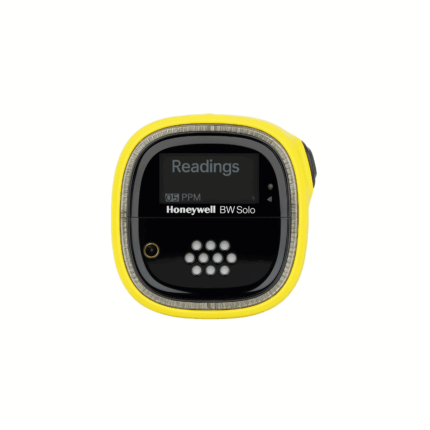
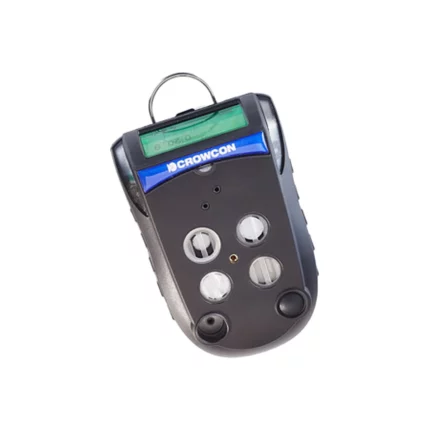
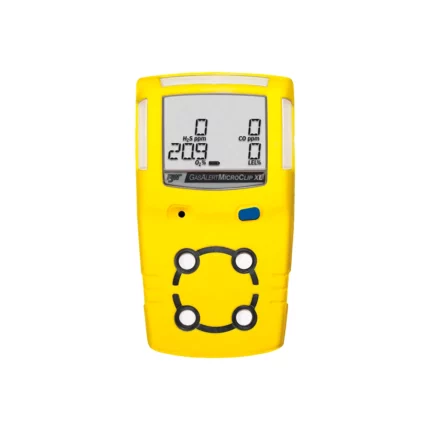
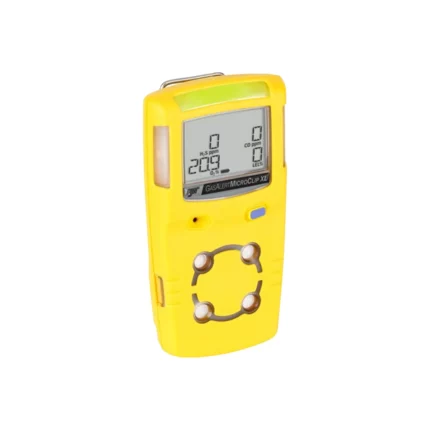
For routine work where hydrogen sulphide could be present unexpectedly, a portable, direct-reading personal monitor gives continuous indication and alarm protection close to the worker. Options such as the Crowcon Gasman or Honeywell BW Solo are commonly used for personal protection and can be suitable where individuals need clear, on-person alarm coverage.
Multi-gas monitors for confined space entry and mixed risks
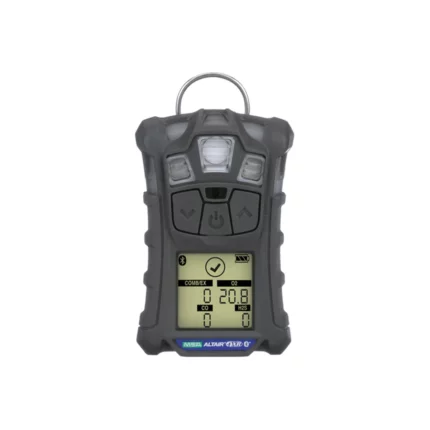
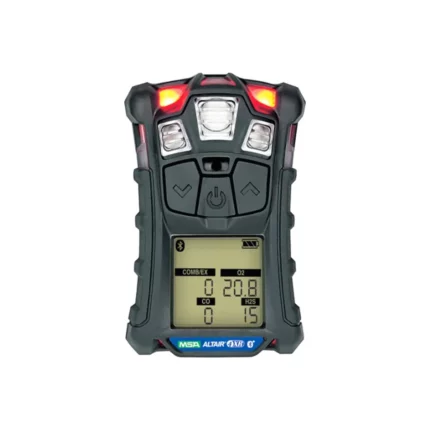
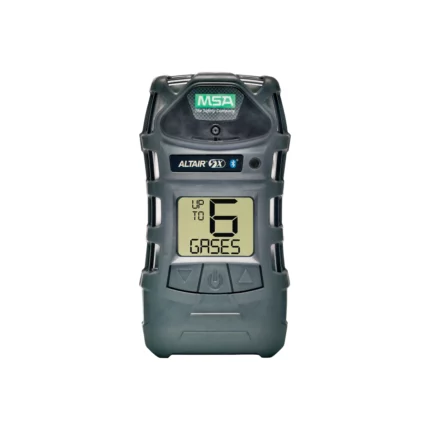
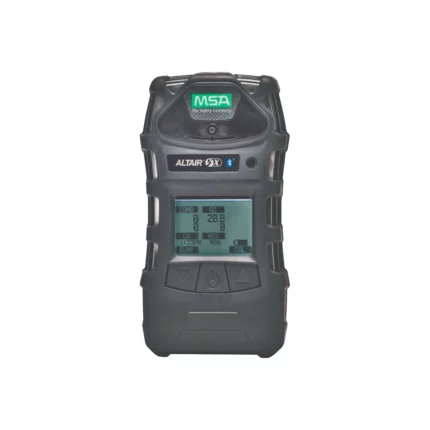
Confined space work is often managed using a calibrated direct-reading instrument, typically as part of a broader testing approach that considers oxygen, flammability and toxic gases in sequence. Multi-gas instruments such as the Crowcon Tetra 4 or MSA ALTAIR 4XR can support this approach where teams need one device to cover multiple atmospheric hazards alongside hydrogen sulphide.
Sensor technology considerations (electrochemical performance and limitations)
Hydrogen sulphide is commonly detected using electrochemical sensors, which are widely used for occupational monitoring and provide practical response for workplace safety. They do have limitations: performance can be affected by temperature and humidity extremes, and cross-sensitivity can occur with gases such as sulphur dioxide and nitrogen oxides, so monitor selection and interpretation should reflect your site conditions.
Checks before use: bump testing and calibration
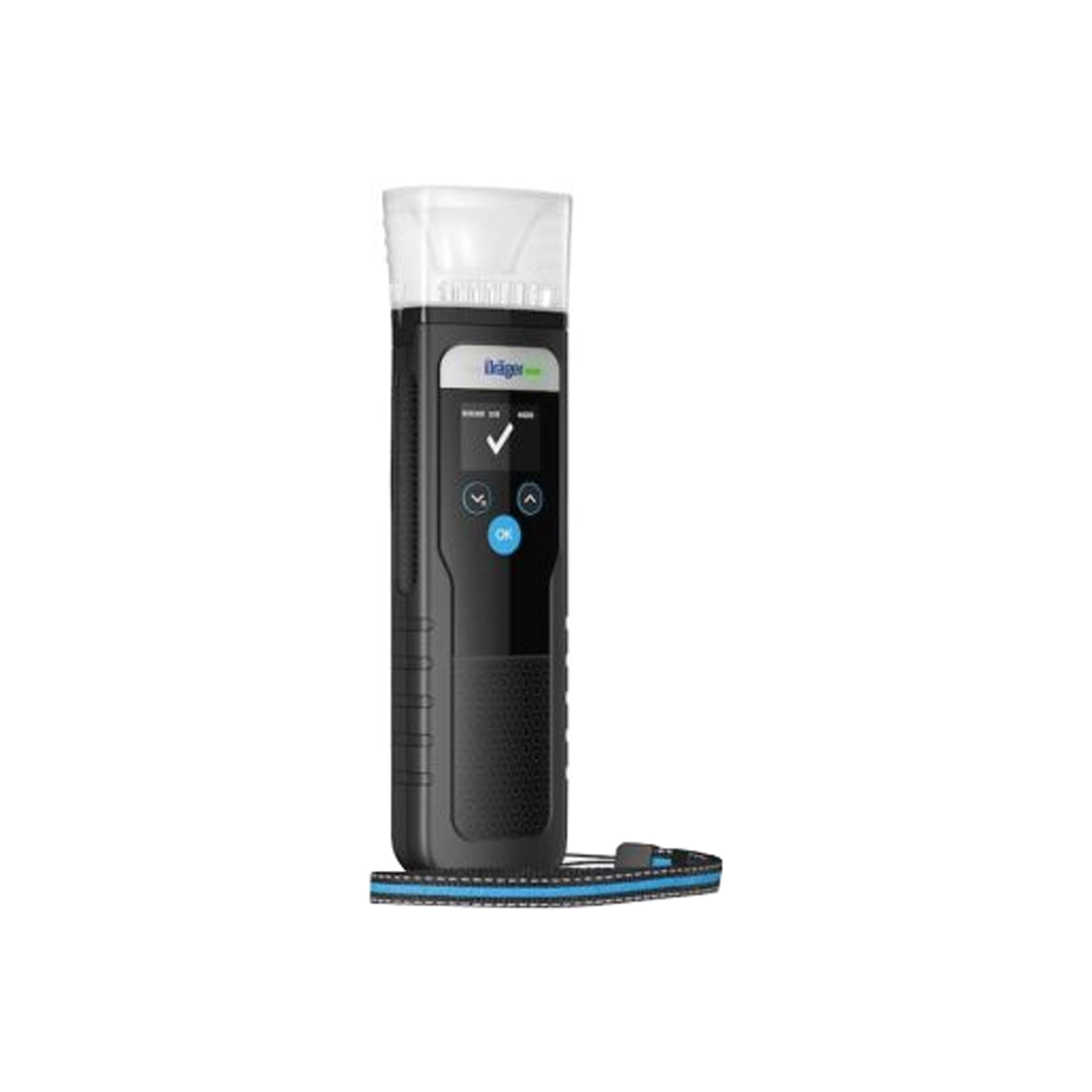
Portable monitors should be maintained in proper working condition using bump testing and calibration in line with manufacturer instructions. This helps confirm that gas can reach the sensor and alarms operate correctly, and it supports accuracy over time as sensors can drift. If you are arranging H2S monitor hire for critical work, plan for these checks as part of the job setup.
If you are unsure whether a single-gas unit or a multi-gas set-up is best for your risk assessment, contact us with the work area and task details, and we will help you choose a suitable option, including where H2S detector hire is needed for confined space or low-lying accumulation risks.